
Factory Direct Catalog
Featured OEM Soccer Equipment & Sports Goods
Engineered for high-durability performance across Japanese turf, grass, and hardground pitches. Custom logo, material grade, and bladder specs available upon request.
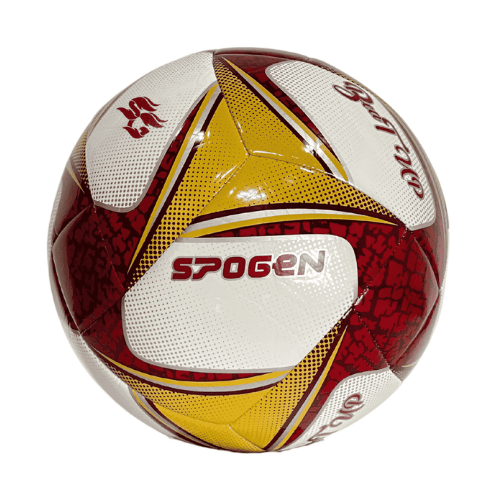
High-Resilience PU Training Soccer Ball (Custom Branding)
Inquire Now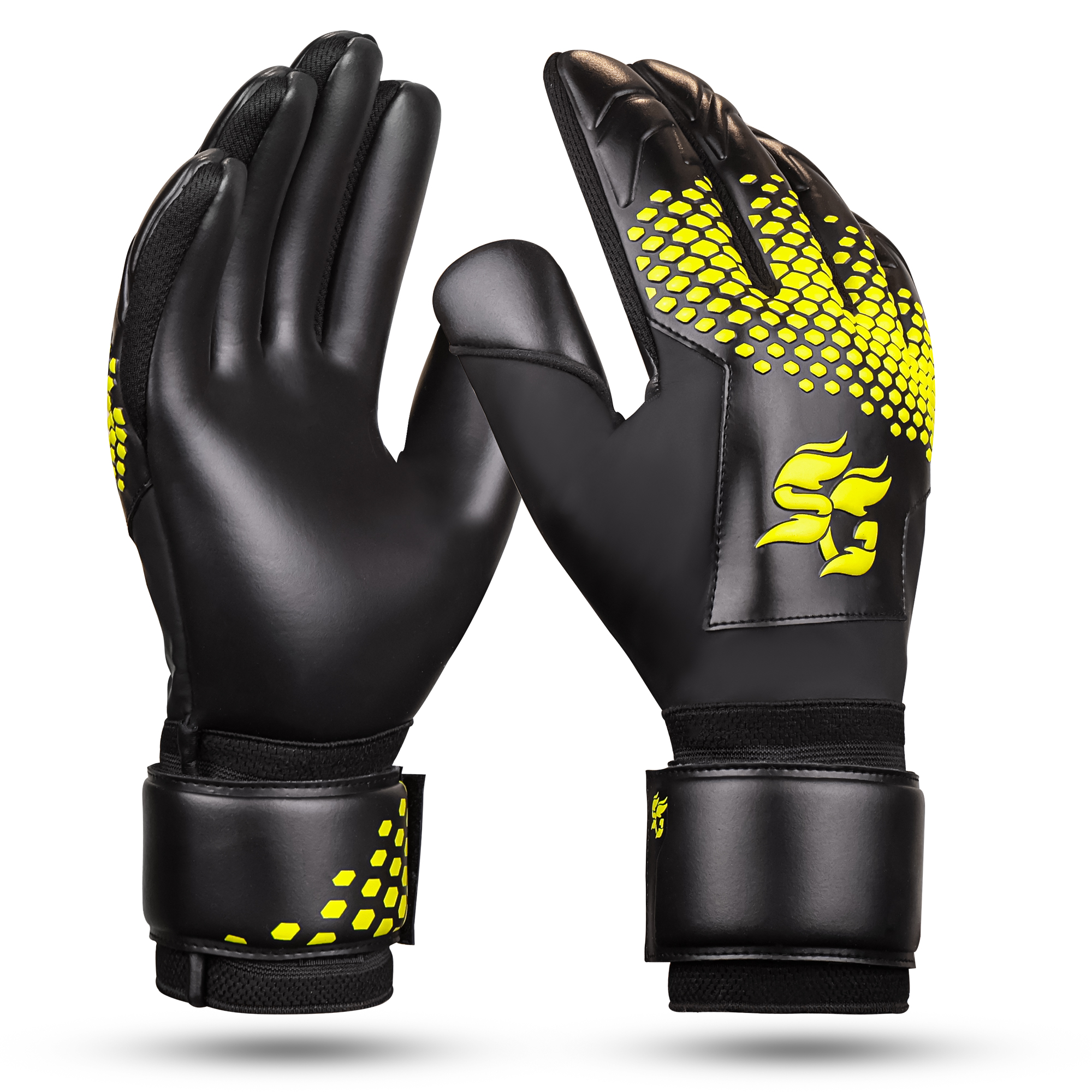
Pro German Contact Latex Goalkeeper Gloves (Negative Cut)
Inquire Now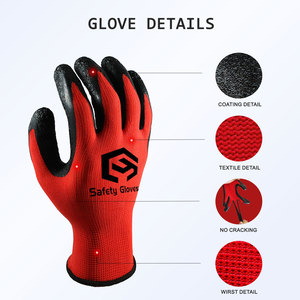
High-Grip Crinkle Coated Athletic Training Gloves
Inquire Now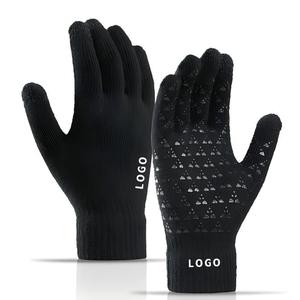
Custom Touchscreen Winter Player & Field Gloves
Inquire Now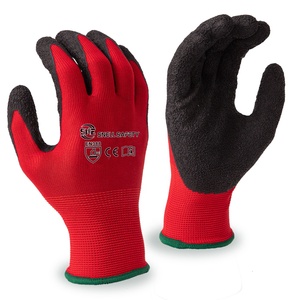
Heavy-Duty Turf Maintenance & Equipment Safety Gloves
Inquire Now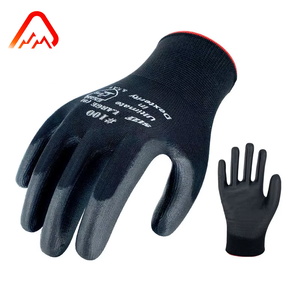
EN388 Certified Breathable PU Coated Field Gloves
Inquire Now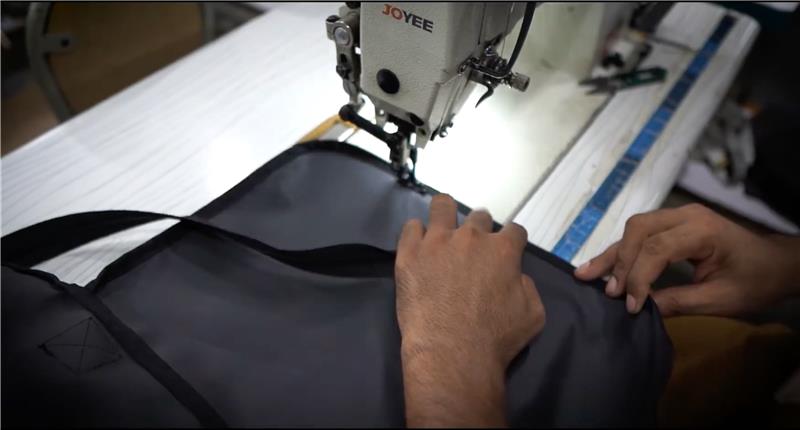
Custom Reinforced Waterproof Team Ball Bag & Equipment Duffel
Inquire Now
Technical Whitepaper
Engineering Excellence: Thermo Bonded Soccer Ball Manufacturing for the Japanese Market
As the international sports equipment industry transitions away from traditional hand-stitched and machine-stitched ball constructions for high-level competition, Thermal Bonding Technology has emerged as the definitive benchmark for elite match play. For sports brands, regional wholesalers, and school sports syndicates operating within Nagoya, Aichi Prefecture, and the wider Chubu region, sourcing high-spec soccer balls requires an intimate understanding of modern polyurethane (PU) chemistry, carcass structural integrity, and local pitch dynamics.
Manufactured in Sialkot, Pakistan—the historic nerve center of global inflatable sports ball manufacturing—our specialized thermal bonding facility integrates European thermo-activation adhesives, robotic panel positioning, and high-frequency thermal presses. This technical whitepaper explores the engineering standards, material performance specs, and localized trade advantages for Japanese sports equipment importers seeking direct OEM factory partnerships.
Information Gain Insight: Unlike hand-stitched soccer balls that absorb up to 10% water weight during heavy rains on natural grass or wet synthetic turf, thermally bonded balls achieve a virtually zero-water absorption rate (< 0.2%), preserving consistent flight dynamics, velocity, and touch responsiveness under humid Japanese monsoon weather conditions.
Structural Architecture of a Thermo Bonded Match Ball
Traditional soccer balls rely on needle punctures and synthetic threads to bind 32, 30, or 24 panels together. Every needle hole creates a potential failure point where moisture enters, carcass tension degrades, and sphericity warps over time. In contrast, our thermo-bonded manufacturing process utilizes a multi-layer composite matrix fused under calibrated heat and pneumatic pressure:
Micro-Textured Outer PU
1.2mm to 1.5mm high-grade Japanese or Korean polyurethane with custom aerodynamic dimple micro-structures. Delivers superior grip for goalkeepers and predictable flight stability in turbulent wind conditions.
POE / EVA Foam Cushion
High-rebound Polyolefin Elastomer (POE) or cross-linked EVA backing foam layers (3.5mm to 4.5mm). Provides instant energy return, soft touch, and consistent elasticity across broad temperature swings.
High-Retention Bladder
Taiwanese Taiwan Butyl or reinforced natural latex bladder wrapped in cross-wound polyester fabric thread, maintaining stable air pressure retention for over 60 days without re-inflation.
Technical Specification Baseline (FIFA Quality Pro Equivalent)
When supplying sports gear to Nagoya’s competitive academic institutions (high school football powerhouses across Aichi) and amateur leagues, compliance with international performance metrics is non-negotiable. Below is the technical compliance baseline enforced in our facility:
| Performance Parameter | FIFA Quality Pro Standard | Spogen OEM Factory Standard | Impact on Playability |
|---|---|---|---|
| Weight Range | 420g – 445g | 430g ± 5g | Optimized momentum & leg impact comfort |
| Circumference | 68.5cm – 69.5cm | 68.8cm ± 0.2cm | Exact sizing for professional trajectory |
| Sphericity Deviation | Max 1.5% | Max 0.8% | Pure rolling accuracy on hard ground & turf |
| Water Absorption | Max 10% weight gain | < 0.2% weight gain | Zero waterlogging; stable weight in rain |
| Rebound Height (20°C) | 135cm – 155cm | 142cm – 148cm | Predictable bounce on Japanese artificial turf |
| Pressure Loss | Max 20% after 7 days | Max 5% after 30 days | Low maintenance for school equipment managers |
Regional Market Alignment
Localized Application Scenarios Across Nagoya & Tokai Region
Designing sports gear tailored specifically to Japanese infrastructure, weather, and training methodologies.
High School & University Tournaments
Aichi Prefecture hosts thousands of competitive high school matches annually (e.g., All Japan High School Soccer Tournament qualifiers). Matches are often played under intense schedules on dense rubber-infill artificial grass. Our thermo-bonded balls resist rubber granule abrasion, ensuring outer PU graphics remain vibrant through long tournament weekends.
High-Humidity Summer Monsoon Play
Nagoya’s summer season is characterized by high heat and humidity (Tsuyu rain season followed by intense heat). Traditional stitched balls rot at the thread seams when stored wet in school ball sheds. Thermo-bonded balls feature hermetically sealed seams that prevent internal mold growth and bladder decay under damp conditions.
Grassroots Academies & Futsal Hubs
From youth academies inspired by Nagoya Grampus development programs to commercial futsal facilities around Nagoya Station and Sakae, facilities demand balls with high durability and soft-touch foam layers that protect young players' joints during repetitive passing drills.
Market Trends
Emerging Procurement & Technology Trends in Japan’s Sports Sector
The Japanese sporting goods market is undergoing two structural shifts: a demand for environmentally compliant raw materials and a transition toward direct-factory OEM procurement by regional brands seeking to bypass high-cost domestic trading intermediaries (Sogo Shosha).
- REACH & RoHS Eco-PU Material Compliance: Modern Japanese buyers strictly enforce chemical safety regulations. Polyurethane covers must be free from phthalates, heavy metals, and toxic solvent residues. Spogen utilizes water-based solvent-free PU materials, catering to Japan’s stringent environmental procurement guidelines.
- RCEP Tariff Efficiency for Japanese Importers: Under the Regional Comprehensive Economic Partnership (RCEP) and established trade corridors, direct shipping from Sialkot via Karachi Port to Nagoya Port provides competitive landed cost advantages, backed by Generalized System of Preferences (GSP+) documentation.
- Visual Aerodynamics & Custom Artwork Branding: Japanese teams favor minimalist, highly precise visual designs. Our high-frequency UV screen-printing technology allows complex multi-color artwork and metallic accents without adding irregular surface weight that affects ball flight trajectory.
Factory Capabilities
Why Leading Brands Partner With Spogen Pvt Ltd
Combining generations of Sialkot ball manufacturing craftsmanship with modern ISO & BSCI compliant production systems.
01
Precision Die Cutting
Automated hydraulic presses cut PU panels to sub-millimeter tolerances, guaranteeing exact panel alignment before bonding.
02
Thermo Activation Adhesive
Panels receive cross-linking latex/thermo-activated glue coatings formulated to withstand severe thermal contraction and expansion.
03
Automated Mold Sealing
High-pressure pneumatic heat molds cure the panel seams at precise temperatures, creating a single seamless shell.
04
Sphericity & Weight Verification
100% of production runs pass digital 3D laser sphericity measuring devices and electronic weight scales.
05
Pneumatic Leak Testing
Every ball is inflated for 72 hours prior to final packing to ensure zero valve leakage or bladder micro-porosity.
06
AQL 1.0 Final Export Inspection
Pre-shipment inspection following strict ISO/AQL standards before sealing in export-ready polybags and corrugated cartons.
Procurement FAQ
Frequently Asked Questions by Nagoya Procurement Managers
Clear details regarding minimum orders, shipping lead times, custom branding, and quality assurance.
Q What is the Minimum Order Quantity (MOQ) for Thermo Bonded Balls?
Our standard MOQ for fully customized thermo-bonded soccer balls (custom graphics, colors, logo print) is 200 pieces per design. For standard stock panel colorways with custom logo application, lower MOQs can be arranged for sample market testing.
Q What is the shipping lead time from your factory to Nagoya Port?
Sample pre-production runs take approximately 10 to 14 days. Bulk production requires 25 to 35 working days after gold sample approval. Ocean freight from Karachi to Nagoya Port typically takes 14 to 20 days depending on the shipping line (FCL/LCL available).
Q Can you match Japanese JFA or FIFA Quality Pro specifications?
Yes. Our engineering division produces balls explicitly designed to pass JFA (Japan Football Association) and FIFA Quality Pro testing protocols, covering sphericity, rebound, water absorption, and velocity retention parameters.
Q Do you offer private label packaging suitable for Japanese retail display?
We supply complete private label packaging solutions including custom barcode polybags, eco-friendly retail display boxes, printed mesh inflation needles, and custom master carton branding formatted to Japanese logistics intake standards.
Q How do you ensure colour accuracy for corporate or club logo prints?
We utilize Pantone (PMS) color matching systems for screen printing and digital sublimation. Physical gold samples or high-resolution photographic proofing are approved prior to bulk material printing.
Q Which social compliance certifications does Spogen hold?
Spogen Pvt Ltd operates under certified BSCI (Business Social Compliance Initiative) social audits and OHSAS 18001 / ISO occupational safety management systems, fully meeting ethical sourcing audits required by Japanese brands.
Ready to Develop Your Thermo Bonded Soccer Ball Line?
Connect directly with our engineering and export merchandising team. Request custom material swatches, digital mockups, and FOB Nagoya pricing today.
Inquire Now