Direct OEM manufacturing solutions engineered for Tokyo athletic clubs, university leagues, corporate teams, and commercial sporting distributors.
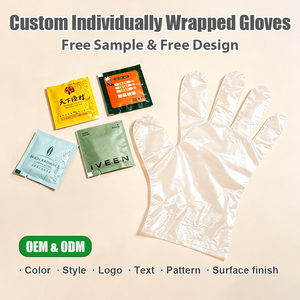
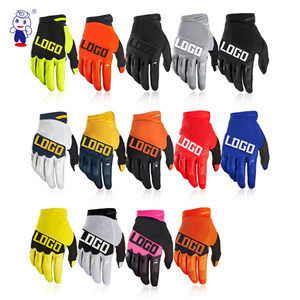
As the Greater Tokyo Metropolitan Area continues to solidify its status as Asia’s leading sporting hub—driven by professional leagues (J-League, B.League, Top League Rugby), extensive Kanto University Sports Federations, high school athletic associations (Kokutai), and an expansive corporate athletic club network (Shakaijin)—the demand for premium, custom teamwear and specialized technical athletic gear has experienced structural growth. However, Tokyo-based brand managers, sourcing directors, and sports equipment distributors face distinct market challenges: exacting Japanese quality expectations (JIS standards), demand for ergonomic Asian sizing precision, strict delivery windows tied to rigid tournament schedules, and increasing insistence on eco-conscious textile certification.
This whitepaper details how top-tier OEM/ODM apparel and athletic gear manufacturing facilities in China bridge these requirements. By combining vertically integrated fabric development, high-precision Italian dye-sublimation, computerized cutting, and standardized quality management frameworks (BSCI, OHSAS 18001, ISO 9001), our manufacturing matrix delivers low-MOQ flexibility with mass-production efficiency, directly serving Tokyo’s professional sports organizations, retail chains, and wholesale distributors.
Key Strategic Advantage: Direct-from-factory OEM integration eliminates trading company margins, providing Tokyo sourcing partners with 22%–35% cost optimization while securing strict compliance with Japanese physical testing and color-fastness benchmarks.
Custom 3D pattern grading tailored specifically to Japanese ergonomic proportions, eliminating fit discrepancies common in standard Western sizing charts.
Sustainable recycled polyester, bio-based moisture-wicking coatings, and non-toxic, eco-friendly Swiss CHT dyes matching Tokyo’s green purchasing mandates.
In-house testing for pilling resistance (JIS L 1076), seam tensile strength, color fastness under perspiration (JIS L 0844), and full needle-detection protocols.
Understanding the operational context of Tokyo’s athletic ecosystem is vital for technical product development. Teamwear is not merely uniform clothing; it serves distinct physical demands across varied environments throughout the Kanto region:
University athletic unions (such as those in the Tokyo Big6 Baseball League and Kanto University Football Federation) require extreme garment durability. Gear undergoes intensive daily wash cycles in high-temperature commercial laundries. Our teamwear utilizes 220–260 GSM interlock polyester engineered with anti-pilling filament technology and flat-lock stitching to prevent skin chafing during high-friction performance.
Tokyo hosts thousands of corporate-sponsored futsal, baseball, and track clubs operating after business hours in indoor arenas like Ariake Arena or Yoyogi National Gymnasium. These teams prioritize rapid re-order turnarounds, sharp corporate brand visibility, and clean typography achieved through high-definition Italian sublimation ink that retains color vibrancy under stadium LED floodlights.
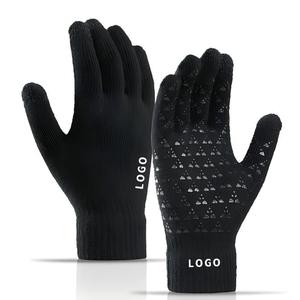
With mass-participation events such as the Tokyo Marathon, running clubs and race support personnel require specialized cold-weather accessories and lightweight kit components. Touchscreen-compatible knit gloves, moisture-regulating headwear, and high-visibility windbreakers with reflective heat-transfer logos are key staples for winter training along the Arakawa and Sumida river routes.
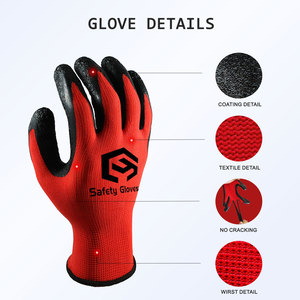
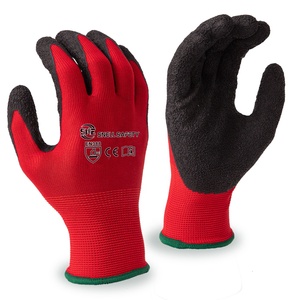
Beyond the athlete’s kit, Tokyo’s top-tier stadiums (Nissan Stadium, Japan National Stadium) demand heavy-duty safety apparel for turf crew and equipment engineers. CE EN388-certified PU and crinkle latex work gloves provide superior grip, cut resistance, and tactile dexterity required when managing turf machinery or handling stadium rigging.
Below is an overview of standard engineering metrics for our primary product lines supplied to Japanese buyers:
| Category | Material Composition | Weight / Thickness | Key Testing Standard | Tokyo Customization Options |
|---|---|---|---|---|
| Pro Sublimation Jersey | 100% Recycled Poly Interlock + Mesh Side Panels | 140 - 180 GSM | JIS L 1092 (Water Absorbency) / UPF 50+ | Full sublimated graphics, custom collar trims, woven crests |
| Weatherproof Sideline Jacket | 3-Layer Laminated TPU Softshell + Microfleece | 280 - 320 GSM | Hydrostatic Pressure >10,000mm H2O | 3M Reflective piping, detachable hood, sponsor embroidery |
| Touchscreen Team Gloves | Acrylic/Spandex Knit + Conductive Fiber Tip | 7-Gauge / 10-Gauge Knit | EN 388 Thermal & Abrasion Standard | Silicone palm grip print, jacquard woven club logo |
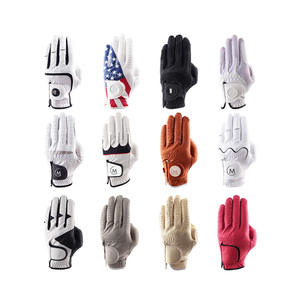
| Pro Cabretta Golf Gloves | 100% Ethiopian Cabretta Sheepskin Leather | 0.45mm - 0.55mm Thickness | Tensile Tear Strength > 120N | Embossed rubber pull tab, custom color piping, ball marker |
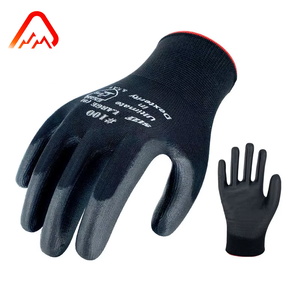
| Facility Safety Gloves | Seamless Nylon Shell + Crinkle Latex / PU Palm | 13-Gauge / 15-Gauge Shell | CE EN388 (Cut Level 2-4, Abrasion 4) | Custom dipped colors, branded cuff header card, barcode packaging |
To maintain a competitive edge, sourcing executives must align supply chain strategies with shifting consumer and regulatory expectations within Japan:
Traditional screen printing is rapidly giving way to full-coverage dye-sublimation and seamless circular knitting. Dye-sublimation ensures zero added weight to the fabric and prevents graphic cracking under intense strain, while seamless knitting reduces seam bulk by 40%, creating an aerodynamic second-skin fit preferred by modern Japanese athletes.
Japanese athletic retailers and institutional buyers are held to strict ESG reporting guidelines. Our manufacturing plant utilizes Global Recycled Standard (GRS) certified yarns spun from ocean-bound PET plastics, coupled with closed-loop water treatment units during fabric dyeing. Detailed environmental impact documentation is available for all bulk purchase orders.
The historical requirement of ordering 1,000+ units per style created excess inventory risks for boutique Tokyo sports brands. Our factory introduced modular production lines capable of supporting 50–100 piece minimums per design split across custom Asian size ranges (S to 5XL), enabling agile stock management and rapid seasonal iteration.
Our streamlined production pipeline ensures complete transparency and repeatability from initial technical sketch to delivery at Tokyo Port or Narita Airport:
Digital pattern drafting based on Japanese body measurement databases and customer tech specs.
Pre-production physical sample creation within 7–10 business days for fit and material approval.
Automated laser cutting and hydraulic die pressing for millimeter panel accuracy across all sizes.
High-temp thermal transfer using eco-safe inks resulting in vibrant, wash-permanent graphics.
Strict inline quality checks followed by 100% metal detector passing for complete athlete safety.
DDP / FOB export arrangement with consolidated shipping, customs clearance, and local courier handoff.
Building on decades of specialized textile and sporting equipment manufacturing experience, our enterprise operates as a fully integrated production ecosystem. Unlike intermediary trading entities, we maintain full operational control over raw material procurement, knitting, cutting, printing, sewing, and final packaging.
Our manufacturing plant adheres strictly to international fair labor standards, maintaining clean, safe, and audited working environments preferred by global corporate brands.
Utilizing X-Rite spectrophotometer color matching systems, we ensure re-orders placed months apart match identical Pantone reference colors without batch shade variance.
Our export team handles all JETRO and Japanese customs documentation, issuing precise commercial invoices, packing lists, and certificates of origin for hassle-free clearance.
For custom sublimated teamwear (jerseys, shorts, tracksuits), our standard MOQ starts at 50 pieces per style/design. We allow size splits across standard Japanese size charts (S to 5XL). For specialized technical gloves and accessories, MOQs generally range from 100 to 200 pairs depending on raw material customization.
Air freight to Tokyo Narita or Haneda Airports typically takes 3 to 5 business days post-production. Sea freight shipments directly to Tokyo Port or Yokohama Port generally require 7 to 12 days door-to-door under DDP terms, including Japanese customs clearance.
Yes. We utilize specialized CAD patterns graded specifically for the Japanese market (JIS sizing standard). Detailed dimension charts covering chest width, body length, shoulder slope, and sleeve opening are provided prior to sample cutting to ensure a perfect fit for Japanese athletes.
Absolutely. We produce physical pre-production samples incorporating your exact sublimated graphics, embroidery, woven tags, and custom packaging. Bulk production commences only after receiving your formal, signed sample sign-off.
All finished soft goods pass through a dual-head automated conveyor needle detection machine (Hashima standard) to ensure zero metallic fragment contamination. Every carton is stamped with a verification sticker prior to export packing.
Partner directly with China's leading athletic equipment factory serving Tokyo brands, universities, and commercial athletic distributors. Connect with our engineering team for technical pricing and instant sample dispatch.
Send an Inquiry