Engineered with high-frequency thermal lamination, zero-water absorption technology, and certified micro-cellular PU materials. Directly available for global B2B procurement.
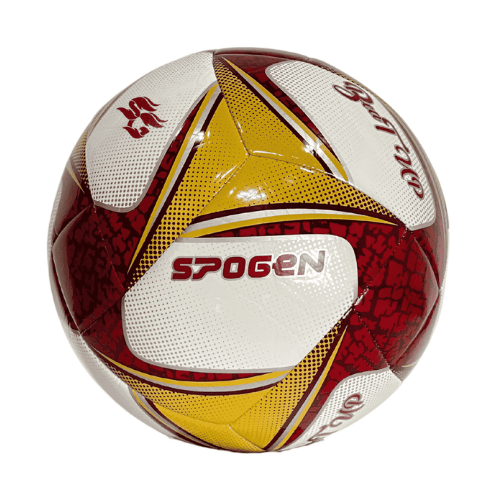
In the competitive domain of international sports equipment manufacturing, the transition from traditional hand-stitched and machine-stitched footballs to thermo-bonded (thermal) balls represents a quantum leap in aerodynamic predictability, material longevity, and structural integrity. Historically, stitched balls suffered from structural deformations caused by uneven thread tension, moisture intake through needle punctures, and stress-point wear along outer seams.
A thermo-bonded thermal ball consists of a multi-tiered composite structure: an outer thermoplastic polyurethane (TPU) or high-grade polyurethane (PU) skin, a high-density polyolefin elastomer (POE) or EVA micro-cellular foam layer, a woven carcass matrix, and an airtight Taiwanese butyl or latex bladder. The key technical advantage lies in the zero-water absorption specification. Under FIFA Quality Pro standards, a stitched ball can gain up to 10% to 15% in weight under rain conditions, drastically altering trajectory and player feedback. A thermal ball retains less than 0.2% moisture, ensuring consistent flight dynamics across all climatic environments.
Seamless thermally sealed edges prevent moisture infiltration, preserving standard weight during heavy precipitation.
Uniform panel curvature reduces surface drag co-efficients, delivering linear velocity retention and reliable flight paths.
Multi-density POE backing foam optimizes kinetic energy restitution upon impact for explosive velocity without harsh rebound.
Sourcing managers and brand directors evaluating thermal ball manufacturers must navigate key metrics including mold customization capabilities, thermal press automation levels, social compliance audits, and minimum order quantity (MOQ) flexibilities. Below is a structured comparative benchmark of the top global exporters leading the thermal ball manufacturing ecosystem.
| Manufacturer / Cluster | Primary Manufacturing Hub | Key Bonding Technology | MOQ Standard | Certification Compliance | Core B2B Advantage |
|---|---|---|---|---|---|
| Spogen Pvt Ltd | Sialkot, Pakistan | Automated High-Temp Thermal Press | 100–200 Pcs | BSCI, OHSAS 18001, ISO 9001 | Direct OEM Factory, Flexible MOQs & In-House QC |
| Molten Corporation | Hiroshima / Vietnam Hubs | ACENTEC Thermal Bonding | 1,000 Pcs | FIFA Quality Pro, ISO 14001 | Proprietary Surface Embossing & Global Retail Presence |
| Adidas OEM Supply Group | Scheinfeld / Asia Network | Seamless Panel Thermo-Fusion | 5,000 Pcs | ISO 9001, WFSGI Compliance | Tournament Tier Research & Kinetic Flight Modeling |
| Star Sports Manufacturing | Incheon, South Korea | High-Elasticity Thermal Laminate | 500 Pcs | KS Standard, ISO 9001 | High rebound foam formulations for indoor match play |
| Puma OEM Manufacturing | Global Sourcing Network | THB (Thermo Hybrid Bonding) | 2,000 Pcs | Fair Labor Association, ISO | Hybrid stitching-plus-thermal structural reinforcement |
| Kipsta Tech Facility | Lille, France / Asia Hubs | Thermally Bound 12-Panel Matrix | 1,000 Pcs | REACH, ISO 9001 | Cost-optimized high-volume retail distribution |
| Baden Sports International | Washington, USA / Asia Production | Cushioned Thermal Shell | 500 Pcs | SGMA Approved | Precision weight distribution for institutional procurement |
| Mikasa Sports Division | Hiroshima, Japan | Precision Thermal Mold Fusion | 1,000 Pcs | FIVB / FIFA Approved | High-durability laminated synthetic leather shells |
| Select Sport A/S | Glostrup, Denmark / Sialkot | Dual-Bonding Thermal System | 500 Pcs | CE, FIFA Quality Pro | Superb soft-touch micro-texture for professional match play |
| Derbystar OEM Operations | Rhede, Germany / Sialkot Base | Golf-Ball Structure Thermal PU | 500 Pcs | Fairtrade, ISO certified | Optimal aerodynamic stability under high wind conditions |
The global athletic ball procurement landscape is undergoing rapid structural shifts driven by environmental mandates, automation, and supply chain transparency requirements. Sourcing executives must align their multi-year strategy with these emerging macro trends:
Global regulatory bodies, particularly in the EU (under REACH and Circular Economy Directives), are tightening restrictions on phthalates, solvent-based adhesives, and non-recyclable TPU skins. Future thermal ball production relies heavily on recycled thermoplastic polyurethane (rTPU) derived from post-industrial waste, water-based cross-linking adhesives, and bio-based POE foam backings. OEM suppliers that integrate bio-based components without compromising tensile strength or elasticity will dominate institutional contract awards.
Traditional thermal ball development required 6 to 8 weeks for physical mold casting and panel die tooling. Modern OEM facilities utilize 3D digital pattern simulation, direct-to-surface digital printing, and modular thermal press molds. This technical acceleration reduces sample development cycles down to 7 to 14 days, empowering brands to launch reactive product lines tied to tournament schedules or seasonal campaigns.
The next generation of high-end match balls incorporates ultra-lightweight inertial measurement units (IMUs) and RFID tracking chips suspended within the central core bladder. Thermo-bonded construction provides the ideal vibration-free environment required to protect sensitive micro-electronics, enabling real-time spatial positioning, ball speed metric logging, and automated offside detection capabilities.
To differentiate product offerings in saturated global markets, brand managers must understand the structural components that drive thermal ball performance. Continuous R&D focuses on three critical engineering pillars:
Shifting from traditional 32-panel layouts to streamlined 24, 18, or 6-panel configurations to minimize seam length and maximize surface contact uniformity.
Implementing golf-ball style dimple patterns, micro-grooves, and anti-slip silicone topcoats to optimize boundary layer airflow and wet-weather glove adhesion.
Combining soft micro-cellular cushioning with high-density energy return foams to eliminate cold-weather panel hardening and retain uniform tactile feel.
Direct answers to common technical, logistical, and commercial inquiries encountered by sports equipment procurement officers during supplier evaluation.
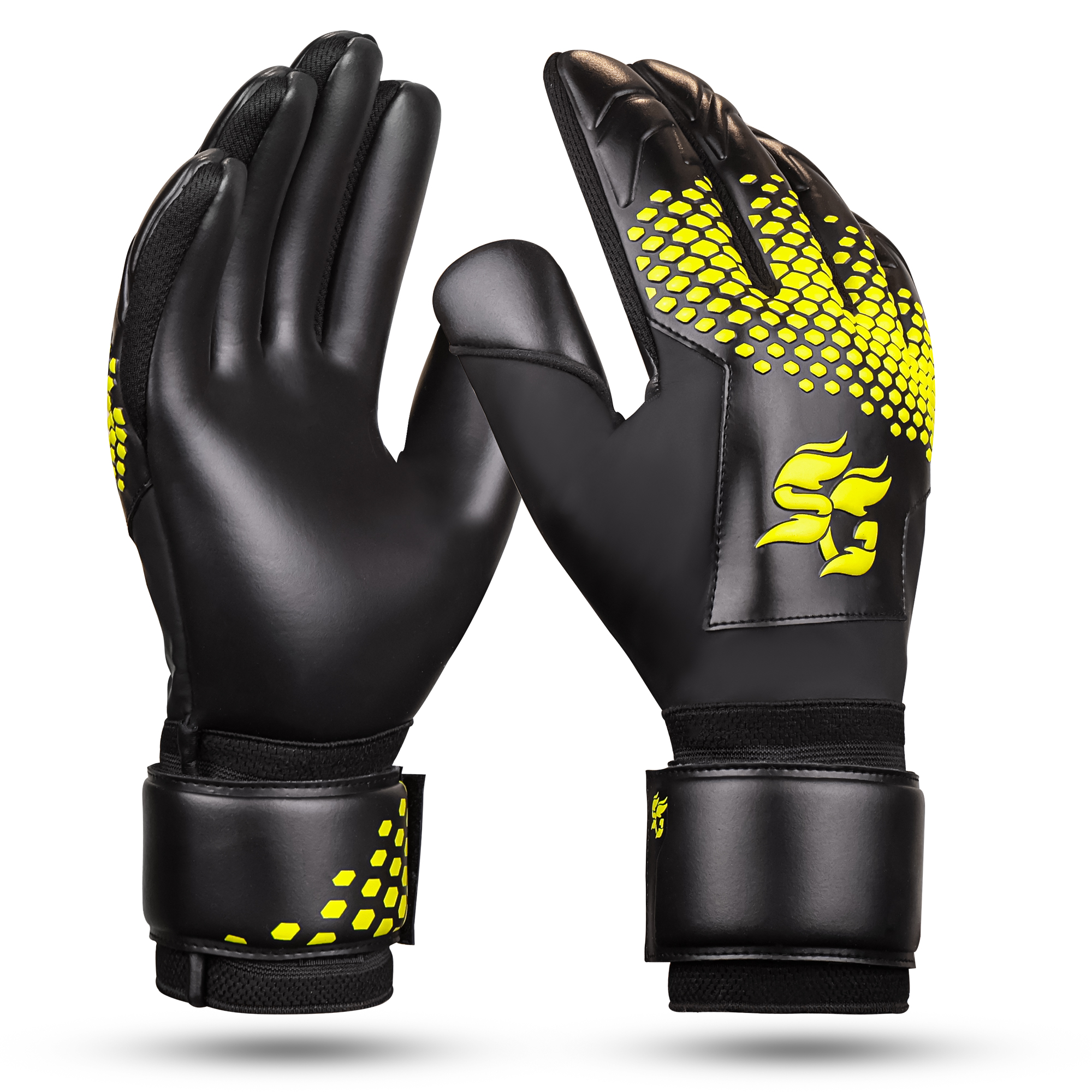
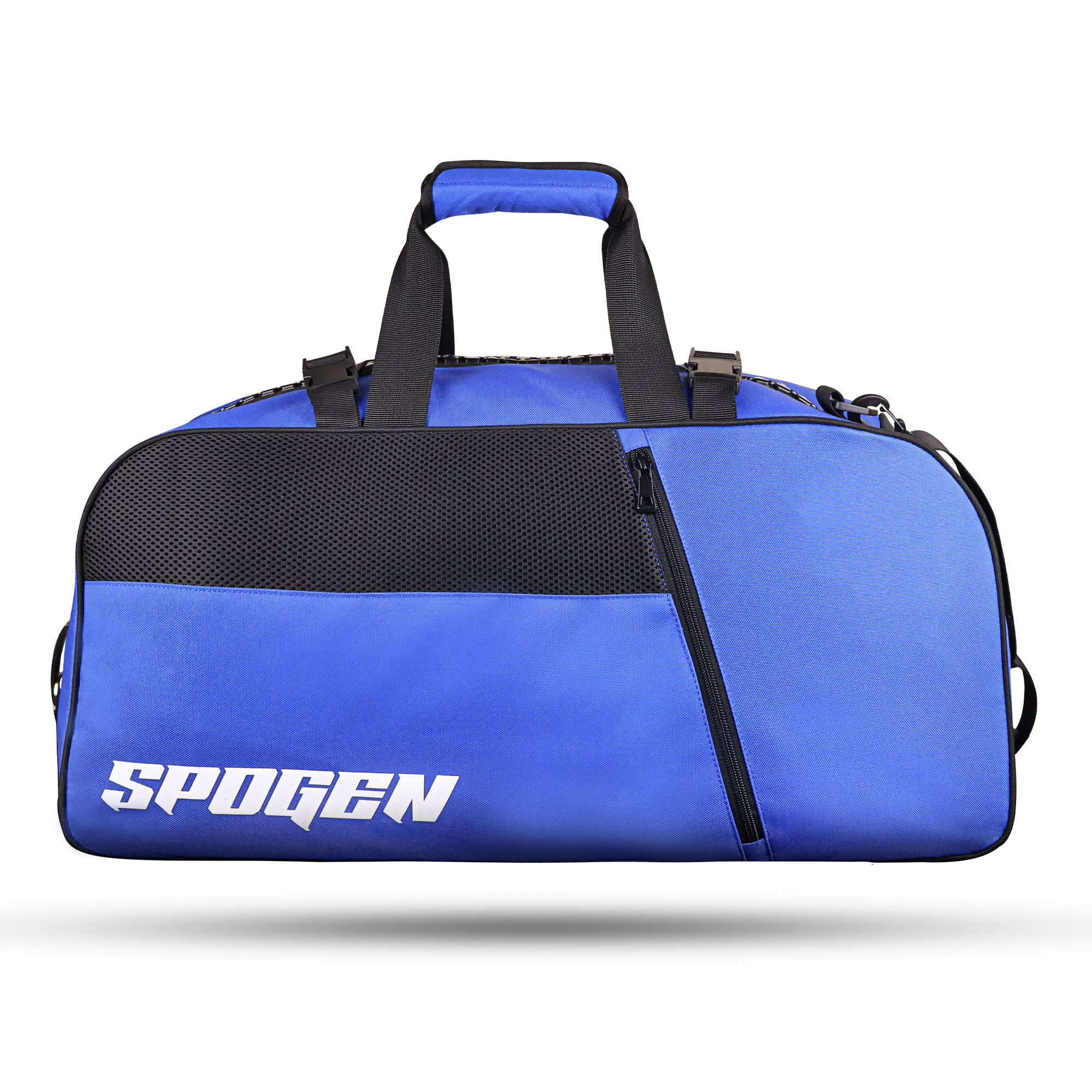
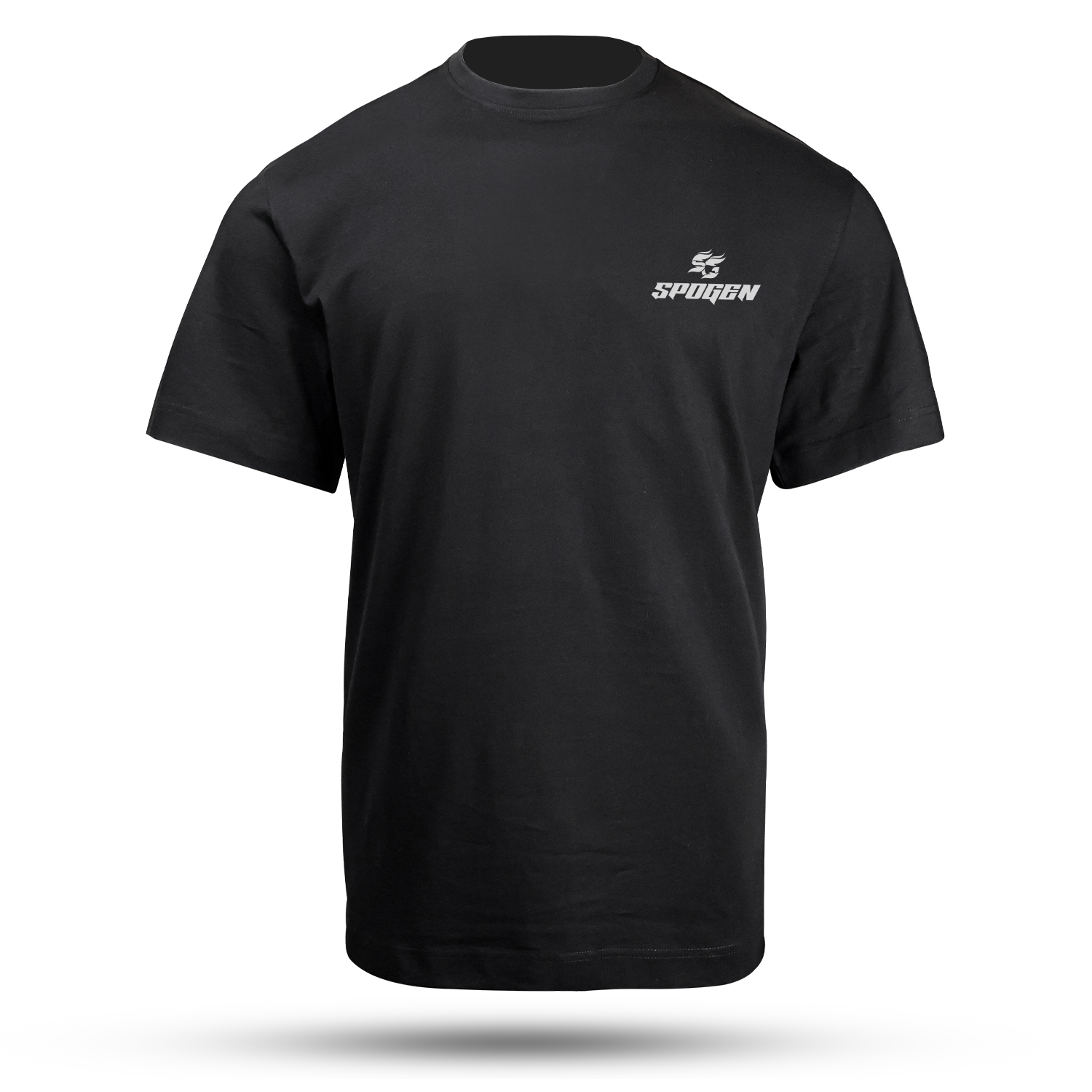
As a premier OEM/ODM sports goods manufacturer headquartered in Sialkot, Pakistan, Spogen Pvt Ltd operates a fully integrated, audited production facility specializing in thermo-bonded match balls, professional goalkeeper gloves, custom sports bags, and technical teamwear.
Zero subcontracting. Pattern design, hydraulic die cutting, high-frequency thermal laminating, logo silk screening, and final AQL 1.5 inspection occur inside our audited facility.
Certified under BSCI social audits and OHSAS 18001 health & safety frameworks. Fully transparent documentation available for enterprise buyer compliance onboarding.
Exporting directly to over 25 countries across North America, Europe, Australia, and the Gulf region with customized retail packaging, barcode labeling, and DDP clearance.
Whether you are establishing a new athletic brand, sourcing match-grade equipment for professional leagues, or seeking a compliant high-volume manufacturing partner, Spogen Pvt Ltd delivers precision engineering backed by transparent communication and guaranteed batch-to-batch consistency.
Connect directly with our engineering and export team to request physical samples, custom tech-pack quotes, or factory audit documentation.