
Direct factory-manufactured sports balls, tactile stress tools, training equipment, and eco-friendly play balls built according to global safety compliance standards (EN71, REACH, ASTM F963).
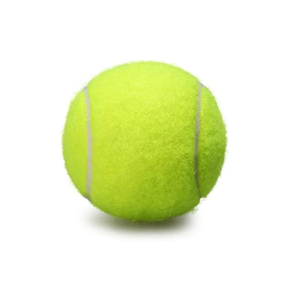
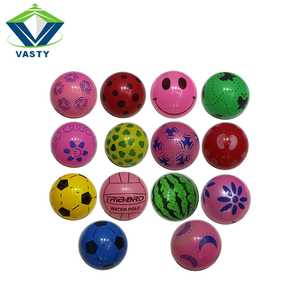
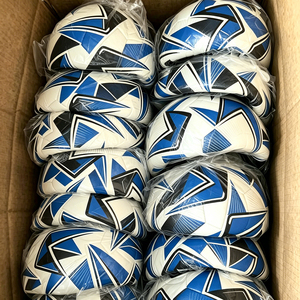
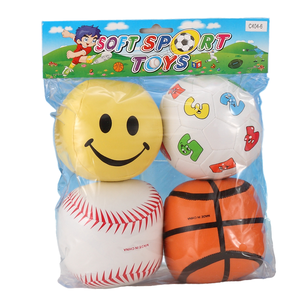
Eliminating trading intermediaries through integrated direct-factory engineering, material science specialization, and certified social compliance.
Operating out of Sialkot, Pakistan—the world's historic epicenter for technical hand-stitched, thermo-bonded, and specialty inflatable sports equipment—Spogen Pvt Ltd provides end-to-end B2B custom ball manufacturing. Backed by BSCI social compliance audits and an OHSAS 18001 occupational health and safety framework, every order is processed under verified working conditions and standardized Quality Assurance (QA) checkpoints.
Hydraulic presses and automated laser die-cut cutters format outer covers, synthetic rubber cores, PU panels, and internal linings to exact dimensional tolerances. Zero deviation ensures 100% seam consistency across multi-thousand unit production runs.
High-pressure heat embossing stamps 3D micro-textures, deep branding emblems, and tactile grip finishes directly into PU leather, latex foam, and vulcanized rubber surfaces, eliminating peeling or premature surface abrasion during high-impact use.
Inline quality inspectors audit tensile panel strength, bladder pressure retention (24-hour leak check), sphericity deviation (<1.5%), dynamic bounce height, and color fastness before custom export packaging.
Comprehensive material selection criteria for B2B sourcing managers, product developers, and sporting goods brands.
| Ball Category | Primary Polymer / Material | Construction Method | Core Application | Safety & Compliance |
|---|---|---|---|---|
| Match Soccer Balls | Japanese Microfiber PU Leather + Nylon Winding | Thermo-Bonded / Hand-Stitched (32/14 Panels) | Professional Match & Elite Academy Training | FIFA Quality Pro Standards, REACH compliant |
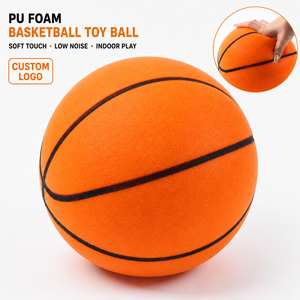
| Silent Basketballs | High-Density Polyurethane (PU) Physical Foaming | Injection Molded Unibody Micro-Cellular Foam | Noise-Controlled Indoor Residential Practice | EN71 Part 1-3, Non-Toxic, Odorless |
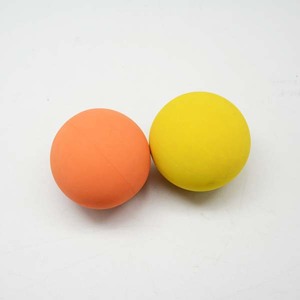
| Low Bounce Rubber Balls | High-Grade Vulcanized Hollow Rubber Compound | Rotational Vulcanization Compression Molding | Tactical Training, Court Games, Dog Agility | ASTM F963, PAHs Free, Heavy-Metal Free |
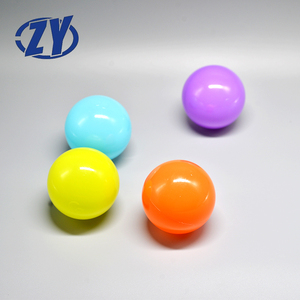
| Ocean Play Pit Balls | Virgin Low-Density Polyethylene (LDPE) | Blow Molding Air Cushion Inversion | Commercial Soft Play Parks, Early Childhood Care | Phthalate-Free, BPA-Free, Crush Proof Test 100kg |
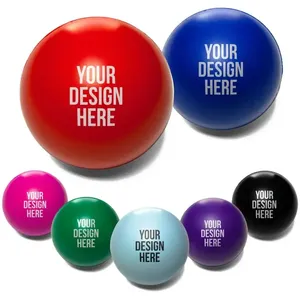
| Stress & Toy Balls | Elastic Closed-Cell Polyurethane Foam / Cotton Fill | Cold Mold Foaming / Stitched Soft Synthetic Sheeting | Corporate Branding, Juggling, Tactile Therapy | CPSIA, EN71, Cadmium Free |
Key macroeconomic shift factors altering supply chain strategies, sustainability benchmarks, and polymer material innovations.
European and North American regulatory bodies are accelerating restrictions on single-use virgin plastics and non-recyclable elastomers. Procurement managers are increasingly shifting toward bio-based PU leathers derived from plant polyols, as well as ocean-bound recycled LDPE for commercial play pit balls. OEM factories with pre-certified green raw-material supply chains are winning multi-year retail contracts.
Urbanization and high-density apartment living have created a massive surge in demand for noise-reducing sports equipment. The emergence of high-density physically foamed PU silent basketballs represents a paradigm shift in youth training products. Buyers are requiring custom density calibrations (e.g., Shore A hardness levels between 25–35) to balance silent impact absorbing mechanics with true court bounce feedback.
Global compliance enforcement (REACH Annex XVII, California Proposition 65, and US CPSIA) demands comprehensive chemical disclosure down to parts-per-million (PPM) thresholds. Suppliers must guarantee complete removal of hazardous plasticizers (DEHP, DBP, BBP, DINP) from soft PVC and LDPE formulations, replacing them with citrate or terephthalate eco-plasticizers.
From micro-textured aerodynamic surfaces to hybrid multi-layer bonding, explore how product engineering is evolving to enhance durability, tactile control, and brand differentiation.
While traditional hand-stitched soccer balls remain prized for classic feel and repairability, high-level competition match balls are rapidly migrating toward seamless thermal bonding. By thermally fusing panel edges over a specialized EVA foam underlayer and wound butyl bladder, water absorption is virtually reduced to 0% (compared to 5-8% in stitched alternatives), maintaining constant ball weight and dynamic flight trajectory in heavy rain conditions.
In spherical performance products—such as Size 5 competition soccer balls and Size 7 training basketballs—internal structural stability determines operational lifespan. Modern OEM manufacturing utilizes high-tenacity nylon thread winding wrapped systematically around a high-retention butyl bladder. This carcass is then laminated with multi-ply cross-laminated polyester-cotton fabrics before outer cover casing attachment, ensuring dimensional memory even after 10,000 high-velocity impact drops.
In promotional and therapeutic ball sectors, brand owners are moving away from basic round foam shapes toward ergonomically designed, variable-density tactile squishy balls. Utilizing closed-cell cold-molded polyurethane foam, OEM producers can fine-tune foam density from slow-rebound memory feel to instantaneous crisp recovery, matching specific consumer preferences across wellness, corporate gifting, and early childhood motor skills development markets.
Direct answers to core procurement queries regarding MOQs, sampling cycles, OEM customization parameters, quality verification, and export logistics.
Whether launching a private-label sports line, sourcing high-volume promotional items, or developing custom technical training balls, leverage Spogen’s Sialkot manufacturing facilities for guaranteed quality, flexible MOQs, and direct wholesale pricing.