Explore our export-grade, CE-compliant garment manufacturing solutions engineered with audited fabrications, reinforced stitching, and flexible private-label customization.
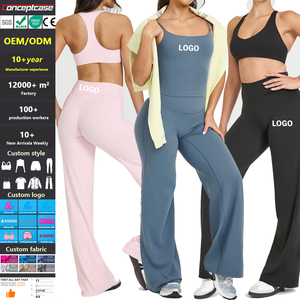
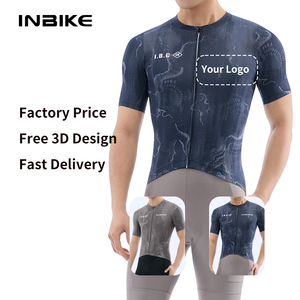
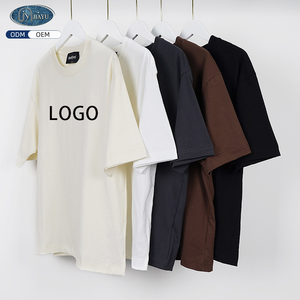

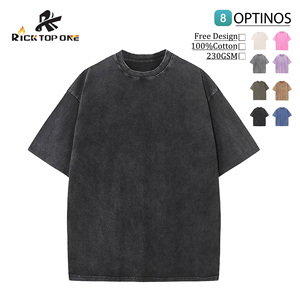
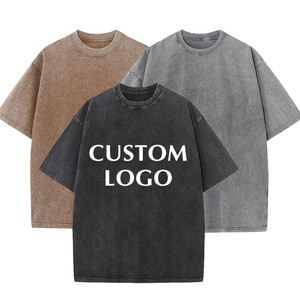
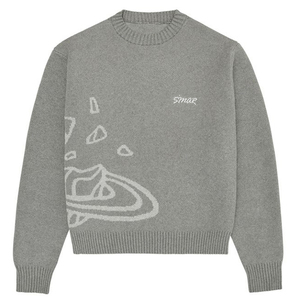
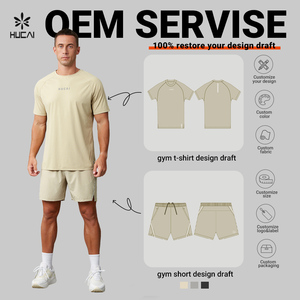
Eliminate middleman friction. Our vertically integrated production facility combines direct cutting, technical sewing, precise printing, and accredited laboratory testing under one roof.
Every activewear, protective apparel, and athletic piece is manufactured in accordance with European Union Regulation (EU) 2016/425, EN ISO 13688 standards, and REACH chemical safety guidelines, backed by third-party testing reports.
Utilizing high-precision automated laser plotters and hydraulic die cutting presses, we ensure sub-millimeter cutting accuracy across thousands of fabric panels, ensuring exact fit repeatability for multi-SKU reorders.
From high-density 3D silicone heat transfers, discharge screen printing, and Kornit digital direct-to-garment (DTG) to Italian sublimation inks and multi-head embroidery, we execute sophisticated branding.
Our Sialkot production plant maintains rigorous social accountability and occupational safety protocols under international BSCI audit standards, guaranteeing ethical labor conditions across all manufacturing stages.
Fully managed international shipping via Sea, Air, and Express Courier on EXW, FOB, CIF, or DDP terms. Includes customized barcode labeling, inner polybag packaging, and retail-ready carton packing.
Eliminate sample iteration loops. Our engineering team converts physical concepts, hand sketches, or digital briefs into comprehensive tech packs with sealed counter-samples prior to bulk cutting.
The global apparel supply chain is undergoing a fundamental regulatory transformation. For global brands, retail buyers, and sportswear distributors importing apparel into the European Union and North American markets, working with a CE-certified OEM apparel manufacturer is no longer merely a competitive option—it is a mandatory legal framework. The European Conformity (CE) marking verifies that technical garments, sports apparel, and protective clothing meet rigorous health, safety, and environmental protection standards mandated under European Union Regulation (EU) 2016/425 for Personal Protective Equipment (PPE) and relevant harmonized textile frameworks such as EN ISO 13688 and EN 17092.
Information Gain Benchmark: OEM apparel manufacturing success relies on pre-production laboratory testing. True compliance requires raw material traceability, azo-dye non-toxicity validation under EU REACH, and seam tensile strength testing exceeding 200N force before bulk assembly begins.
Achieving true CE compliance across custom sportswear, equestrian apparel, motorcycling gear, activewear, and protective workwear requires factory-level execution across five critical technical pillars:
Located in Pakistan’s world-renowned manufacturing hub, our facility leverages generations of craft heritage combined with modern computerized textile machinery. Sialkot’s industrial cluster provides an unparalleled supply chain advantage for performance apparel, soccer balls, goalkeeper gloves, and athletic teamwear. Unlike trading agencies that outsource orders to dispersed home-based sub-contractors, our single-site direct factory model ensures total operational transparency.
Every phase—from yarn selection, knitted/woven fabric dyeing, automated hydraulic die-cutting, computerized embroidery, and Italian heat-transfer sublimation to final AQL 2.5 inline quality inspection—occurs inside our dedicated plant. This vertical integration guarantees batch-to-batch consistency, allowing sports brands to scale their collection without variation in color tone, GSM thickness, or seam tolerance between initial prototypes and multi-container reorders.
To assist procurement managers and apparel developers during product development, the table below outlines technical benchmarks across our primary OEM apparel product lines:
| Category | Fabric Weight (GSM) | Composition Options | Stitching Construction | Applicable Standards |
|---|---|---|---|---|
| Pro Cycling Apparel | 120 - 180 GSM | 80% Polyester / 20% Elastane Aerodynamic Mesh | Flatlock 4-Needle Ultra-Flat Seams | CE PPE Class A, EN ISO 13688, OEKO-TEX 100 |
| Heavyweight Basics & Hoodies | 280 - 420 GSM | 100% Organic Cotton / CVC Fleece | Twin-Needle Heavyweight Rib Coverstitching | REACH Compliant, Pre-Shrunk ISO 5077 |
| Seamless Fitness Activewear | 200 - 300 GSM | Nylon 6,6 / Spandex Moisture-Wicking Knit | Laser-Cut Bonded Hems / Circular Knit | AATCC 195 Moisture Management, ISO 105 Fastness |
| Custom Teamwear & Jerseys | 140 - 220 GSM | 100% Micro-Polyester Interlock / Eyelet Mesh | Reinforced Shoulder Taping & Safety Stitch | Sublimation Fastness Grade 4.5, Anti-Pilling ISO 12945 |
| Knitted Winter Sweaters | 350 - 600 GSM | Cotton / Acrylic / Fine Merino Wool Blends | 7GG - 12GG Computerized Intarsia Linking | Dimensional Stability ISO 6330, Azo-Free Certified |
The global apparel procurement landscape is shifting rapidly driven by legal mandates, consumer expectations, and digital supply chain integration. Sourcing executives must prepare for four major industry disruptions:
Beginning in 2026, the European Commission’s Ecodesign for Sustainable Products Regulation (ESPR) will require garments sold within the EU to carry an accessible Digital Product Passport (DPP). This digital record tracks a product’s lifecycle—from raw fiber origin and chemical treatment to factory energy consumption and recyclability. As a forward-thinking OEM partner, our facility is building full digital batch tracking into our ERP systems to supply verified DPP datasets directly to your brand.
The apparel industry is migrating rapidly from virgin polyester to GRS-certified (Global Recycled Standard) recycled PET derived from post-industrial waste and ocean plastics. Furthermore, bio-based synthetics and bio-degradable elastanes are replacing traditional petroleum derivatives. Our fabric inventory features audited GRS-certified polyesters, bamboo viscose, and organic GOTS-certified cotton blends engineered for high performance.
Traditional needle-and-thread stitching is increasingly complemented by ultra-sonic fabric welding, laser-cut ventilation micro-perforations, and thermo-bonded seam tape. These advanced techniques reduce garment weight, eliminate skin friction, improve hydrodynamic efficiency in sportswear, and present a sleek, modern aesthetic preferred by high-end athleisure brands.
To combat material inflation and environmental waste, modern clothing factories utilize computerized pattern nesting software coupled with automated cutting tables. This optimizes fabric yield to over 92%, significantly lowering per-unit production costs while minimizing fabric scrap sent to landfills.
For decades, low-cost assembly was concentrated primarily in single-source developing markets. However, geopolitical realignments, freight disruptions, and strict ESG compliance demands have rewritten the buyer playbook. Modern sourcing directors are actively diversifying their supplier portfolios toward **specialized regional manufacturing hubs** that offer verified legal compliance, skilled technical labor, and reliable export infrastructure.
Pakistan’s textile export industry—accounting for over 60% of national exports—stands as a beneficiary of this shift. Through substantial investments in eco-friendly water treatment plants, solar-powered textile mills, and international social compliance accreditations (BSCI, WRAP, SEDEX), factories like Spogen Pvt Ltd provide Western buyers with an optimal balance: competitive unit pricing coupled with complete peace of mind regarding ethical labor practices and European regulatory standards.
Clear, direct answers to common questions regarding CE compliance, factory audits, sample timelines, and private-label ordering protocols.
Every production run destined for European markets is manufactured using REACH-certified, Azo-free dyed fabrics and non-toxic trims. We maintain documented Quality Assurance protocols adhering to EN ISO 13688 standards. Upon request, we provide full lab test reports from accredited bodies (such as SGS, Intertek, or TÜV) covering color fastness, seam strength, and chemical safety.
Our standard OEM production MOQ starts at 50 to 100 pieces per design for specialized sublimated sportswear, cycling gear, and technical activewear. For knitted cotton basics, T-shirts, and heavyweight fleece hoodies, standard MOQs are typically 100 to 200 pieces per colorway. We offer flexible size-split curves within each bulk order.
Pre-production tech-pack samples and physical counter-samples are completed within 7 to 14 working days after artwork and material specs are approved. Once the gold sample is signed off, standard bulk manufacturing requires 20 to 35 working days depending on order complexity, print embellishments, and total unit quantity.
We offer complete end-to-end private labeling. This includes custom woven neck labels, heat-transfer size neck prints, custom printed hangtags, branded satin care instruction labels, custom engraved zipper pullers, silicone badges, barcoded polybags, and retail-ready packaging boxes matching your brand identity.
We execute a 4-tier in-house Quality Control protocol: (1) Raw material fabric inspection upon arrival; (2) Cut-panel inspection prior to sewing; (3) Inline sewing checks during garment assembly; and (4) Final AQL 2.5 statistical audit covering measurements, thread trimming, print alignment, zip function, and final packaging before container loading.
We regularly export directly to the United States, United Kingdom, European Union countries (Germany, France, Netherlands, Spain, Italy), Australia, Canada, and the Gulf region. Orders can be shipped under EXW, FOB, CIF, or full DDP (Delivered Duty Paid) terms via air freight, ocean freight, or express courier services (DHL, FedEx, UPS).