Explore our certified performance apparel, protective glove systems, and specialized athletic gear custom-engineered for international sports brands, distributors, and bulk B2B procurement programs.
A comprehensive analysis of certification benchmarks, material science, and regulatory compliance protocols mandatory for tier-one sports brands and institutional buyers.
In the evolving landscape of global sportswear procurement, the transition from basic leisurewear to high-performance, ergonomic athletic apparel has transformed regulatory requirements. International importers, brand owners, and procurement directors no longer view compliance as a mere checkbox; it is the cornerstone of brand equity and risk mitigation. Sourcing CE Certified Athletic Wear ensures that products entering strict markets—most notably the European Economic Area (EEA)—conform with mandatory Health, Safety, and Environmental Protection directives under Personal Protective Equipment (PPE) Regulation (EU) 2016/425 and relevant EN ISO technical standards.
Whether manufacturing high-impact motorsport gloves, high-grip goalkeeper gloves, thermal compression layers, or active protection apparel, certified manufacturing units must implement rigorous quality assurance workflows. This technical breakdown provides procurement teams with actionable intelligence regarding material thresholds, chemical safety (REACH compliance), and mechanical resistance benchmarks necessary to secure seamless customs clearance and long-term consumer trust.
Under standards like EN 388 and EN ISO 13688, athletic protective garments and gloves undergo standardized testing for abrasion resistance (Martindale test), tear propagation force, seam strength, and puncture vulnerability to ensure user longevity under extreme mechanical stress.
Adherence to EU REACH Annex XVII ensures complete prohibition of harmful Substances of Very High Concern (SVHC), including banned Azo dyes, heavy metals, Phthalates, and Per- and polyfluoroalkyl substances (PFAS/PFOS) across all synthetic and organic fabrications.
CE marking demands strict compliance regarding movement restriction and moisture management. Utilizing ISO 11092 thermal and water-vapor resistance testing ensures apparel delivers optimum breathability (RET values < 6 m²Pa/W) alongside dynamic stretch recovery.
Built upon decades of sports goods manufacturing heritage in Sialkot, Pakistan, Spogen Pvt Ltd delivers audit-ready quality control, state-of-the-art machinery, and flexible private label solutions directly to global buyers.
Our operational framework is fully audited under Business Social Compliance Initiative (BSCI) and OHSAS 18001 standards, guaranteeing ethical labor practices, fair working conditions, and occupational safety.
From hydraulic panel die-cutting and computerized dye sublimation to precision stitching and ultrasonic seam bonding, every batch undergoes multi-stage inline checks capped by AQL 1.5 final inspection protocols.
We translate raw client concepts and tech-packs into physical reality. Our services include custom mold tooling, embossed 3D logos, custom woven neck-labels, barcode tagging, and custom retail packaging.
Designed for scalable growth, we support multi-size and split-colorways under accessible minimum order quantities. We manage EXW, FOB, and DDP shipments via air freight, express couriers, and sea freight containers.
Understanding the technological shifts, material innovations, and consumer behaviors reshaping the athletic manufacturing ecosystem over the next decade.
The global sports industry is rapidly phasing out virgin petroleum-based synthetics. Enterprise buyers are pivoting to GRS-certified (Global Recycled Standard) recycled polyesters (rPET), bio-derived polyurethane coatings, and organic cotton blends. Manufacturing eco-friendly athletic wear without sacrificing tensile strength or moisture management properties represents the primary competitive edge for modern OEMs.
Traditional cut-and-sew operations are increasingly complemented by 3D circular seamless knitting. This technology reduces material scrap by up to 30% while eliminating friction points for athletes. Concurrently, technical athletic wear is evolving to accommodate embedded conductive yarns and sensor pockets for biometric tracking during high-intensity training sessions.
The boundary between industrial protective apparel and consumer athletic wear is blurring. Products such as impact-absorbing motorcycle gloves, high-grip cut-resistant work-line wear, and specialized fitness gloves now share common material platforms—including micro-foam latex coatings, Kevlar-thread reinforcement, and ergonomic TPR (Thermoplastic Rubber) impact zones.
Strategic imperatives for procurement officers seeking total cost optimization, supply chain resilience, and rapid market responsiveness.
As e-commerce returns heavily impact retail profitability, brand owners are moving away from traditional physical sampling loops. Future sourcing relies on 3D CAD pattern design, digital twin tech-packs, and strict inline digital documentation. Factory transparency and automated fabric-stress simulation ensure bulk production matches approved standards with zero variation.
Large-scale fixed minimum order quantities (MOQs) are giving way to agile, responsive manufacturing models. Enterprise buyers now mandate factory partners capable of offering core product platforms with modular customization—allowing brands to test market demand across dynamic colorways and seasonal prints without over-investing capital in excess inventory.
Upcoming EU regulations will require apparel and protective gear to carry Digital Product Passports accessible via QR codes. Procurement strategies must prioritize factories capable of providing full supply chain traceability—from raw fiber origin and dye house chemical certificates down to final carton packing data.
Rising tariffs, shipping volatility, and stringent compliance requirements have exposed the vulnerability of sourcing through unverified middle-tier trading agencies. Leading global athletic brands are consolidating vendor rosters, preferring direct relationships with verified manufacturing entities possessing in-house laboratory testing capabilities.
A reference matrix outlining material benchmarks, standard weight options, CE directive compliance, and ideal applications across our athletic gear manufacturing divisions.
| Product Category | Primary Material Matrix | GSM / Coating Thickness | CE & ISO Certification Criteria | Primary Industrial / Athletic Use |
|---|---|---|---|---|
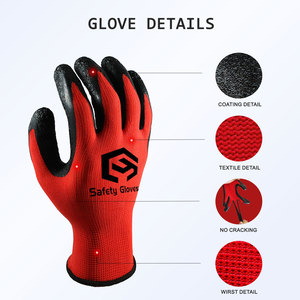
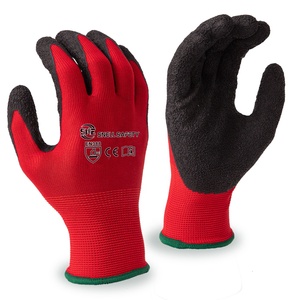
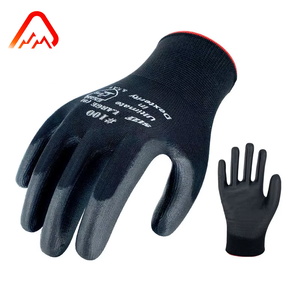
| CE Micro-Foam Safety & Utility Gloves | 13/15/18-Gauge Nylon/Spandex Liner, Nitrile or PU Palm Dip | 0.9mm – 1.2mm Foam Thickness | EN 388 (4121X), EN ISO 21420, REACH Compliant | General Assembly, Tactical Sports, Utility Work, Mechanical Operations |
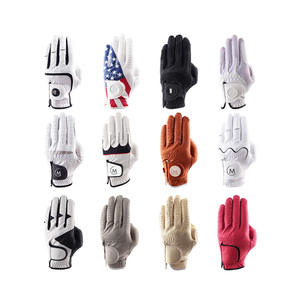
| Premium Golf & Riding Gloves | 100% Grade-A Cabretta Leather / Synthetic Microfiber | 0.45mm – 0.60mm Ultra-thin Leather | ISO 9001, Color Fastness (ISO 105-E04) | Professional Golfing, Equestrian Sports, Precision Grip Applications |
| Goalkeeper & Impact Sports Gloves | 4mm German Contact Latex Palm, Neoprene & Mesh Backhand | 4.0mm Latex + 3mm Cushioning Foam | EN 71-3 (Toxicology), Mechanical Wear Test | Professional Soccer Goalkeeping, Action Sports Hand Protection |
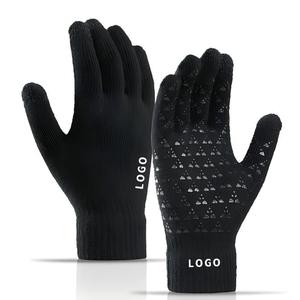
| Thermal Knitted Running Gloves | Acrylic/Polyester Blend with Conductive Touchscreen Yarns | 240 – 320 GSM Knit | EN ISO 11092 (Thermal Resistance), OEKO-TEX 100 | Winter Trail Running, Active Fitness, Outdoor Endurance Training |
| Sublimated Athletic Kits & Apparel | 100% Polyester Interlock, Moisture-Wicking Mesh & Pique | 140 GSM – 220 GSM Fabrics | ISO 6330 (Washing Durability), Anti-Microbial ISO 20743 | Team Sport Jerseys, Training Apparel, Gym & Active Fitness Lines |
Get immediate clarity on minimum quantities, lead times, compliance documentation, custom branding, and export logistics.
CE certification confirms that the garment or glove meets essential health, safety, and environmental requirements defined by European Union regulations—most notably Regulation (EU) 2016/425 for Personal Protective Equipment (PPE). Certification involves rigorous lab testing for tear strength, abrasion resistance, non-toxicity (REACH), and mechanical performance conducted by accredited notified bodies.
Our standard production MOQs are structured to accommodate both emerging brands and established global distributors: 100 pairs per model for professional goalkeeper and leather gloves; 200–500 pairs for specialized coated utility gloves; and 50–100 pieces per style/size-curve for sublimated sportswear apparel. Mixed colorways and size splits are accepted within single production runs.
Every approved OEM project is registered with a physical "Gold Sample," digitized pattern files, specific PMS Pantone color codes, and detailed material specification master-sheets. All raw fabric and latex batches undergo spectrophotometer color testing and weight/GSM checks prior to cutting, guaranteeing zero variation between production seasons.
Pre-production physical samples with custom logos and technical trims are delivered within 7 to 14 working days following tech-pack approval. Bulk factory production generally ranges between 20 to 35 working days, depending on total volume, construction complexity, and current facility capacity.
Yes. We offer complete turnkey private-label packaging solutions, including custom printed retail display boxes, eco-friendly recyclable polybags with barcode labels, custom hangtags, branded woven neck labels, and rubberized 3D silicone badging tailored to your exact brand guidelines.
Spogen Pvt Ltd operates under an audited BSCI (Business Social Compliance Initiative) framework ensuring ethical labor standards, alongside an OHSAS 18001 / ISO 45001 certified occupational health and safety management system. Official audit summary reports are available to verified procurement teams upon request.
We export to over 25 countries worldwide. We support standard shipping terms including EXW (Ex Works), FOB (Free on Board), CIF (Cost, Insurance & Freight), and DDP (Delivered Duty Paid). Our export department provides complete shipping dossiers including Commercial Invoices, Certificates of Origin, Packing Lists, HS Code classifications, and Bill of Lading documentation.