Welcome to Spogen Pvt Ltd — OEM Sports Goods Manufacturing Since Sialkot's Earliest Export Era

0%

Choosing Seamless Match Soccer Balls can help a team find a dependable option for training and competition. Their bonded construction reduces traditional stitching, creating a smoother surface for striking and passing. Players may notice a more even touch when the ball moves across the foot. Feel matters.

A consistent surface can also support predictable flight, though performance depends on design, inflation, and playing conditions. On a damp field, for example, grip and water resistance can affect control during a firm pass. Seamless construction alone does not guarantee better play. Teams should check the ball’s size, weight, materials, and stated match specifications before buying.

Coaches and players can assess a ball through practical checks: inspect its shape, inflate it to the recommended pressure, and test passes and shots on a suitable pitch. Compare the feel across several players, not just one preferred position. Small details matter. A striker may value a clean strike, while a goalkeeper may focus more on grip and handling.

The right choice should balance touch, flight, durability, and budget. Product claims can vary, so clear specifications and reliable quality checks are worth reviewing. It is also fair to remember that even a well-made ball cannot solve every control problem; technique and regular practice still count. With those factors in mind, Seamless Match Soccer Balls can be a considered choice for teams seeking consistent match-day performance.
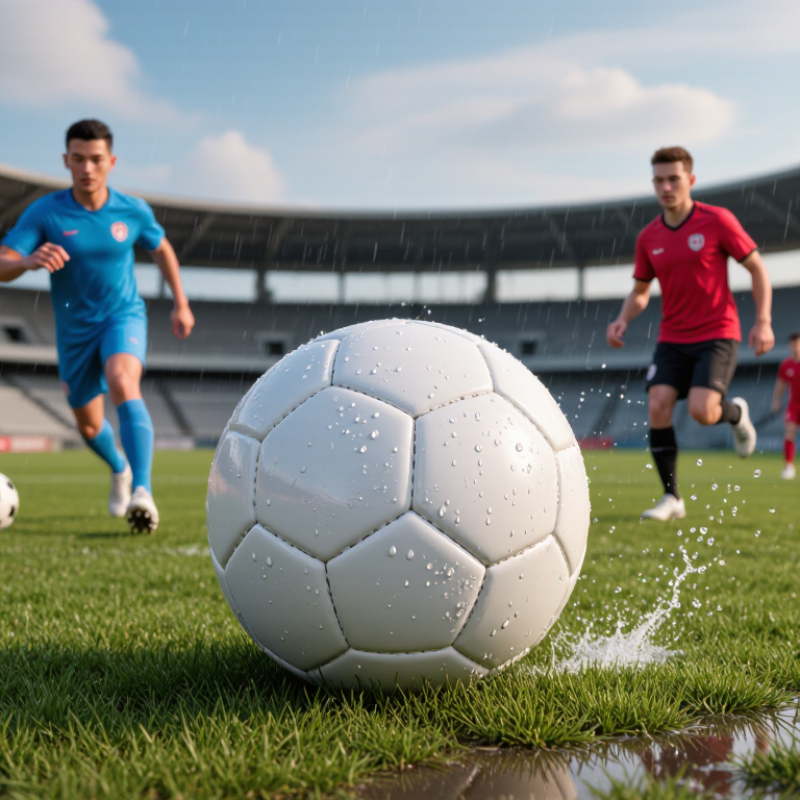
Why Choose Seamless Match Soccer Balls for Your Team?

What Seamless Match Soccer Balls Are

A seamless match soccer ball is made by bonding its outer panels, rather than joining them with visible stitching. The process can reduce gaps where water enters and create a smoother surface. “Seamless” does not mean the ball has no panel boundaries; it describes how those panels are joined. Construction varies, so the label alone cannot tell you how a ball will feel or perform. Small details matter.

For a size 5 ball, IFAB’s Law 2 specifies a circumference of 68–70 centimetres and a weight of 410–450 grams at the start of play. FIFA’s Quality Programme tests footballs for properties including circumference, roundness, rebound, water absorption, and pressure retention. These checks help explain what a match-quality designation can mean, but they do not make every seamless ball identical. On a wet pitch, a bonded surface may take up less water than a poorly sealed stitched ball. Still, touch and flight depend on the full design, not just the joining method. That distinction is easy to overlook. A practical check: inspect the surface, confirm the ball’s certification, and test its rebound and feel before match day.

How Seamless Construction Shapes Ball Performance

Seamless construction changes how a match ball meets the foot. With fewer exposed seams, the outer surface can feel more even across the panels. That may help reduce unpredictable contact when players pass or strike the ball. The difference is easiest to notice during firm, close-range passes. A clean touch matters.

On a damp pitch, fewer openings can also limit how much water reaches the inner layers. That can help the ball retain a more consistent feel, though performance depends on materials, bonding quality, and maintenance. Seamless does not mean flawless. Poor panel alignment or uneven bonding can still create weak spots, so teams should check the ball’s shape and rebound before play. During testing, compare several balls with the same pressure and on the same surface. Notice whether the ball travels steadily, responds predictably to a first touch, and keeps its shape after repeated use. Looks alone are not enough. A slightly firmer feel may suit some players but feel less comfortable to others. Teams should judge construction through practice, not claims on a label.

Why Choose Seamless Match Soccer Balls?

How construction relates to measurable ball-performance standards

FIFA Quality Pro specifications set limits for circumference, weight, and rebound. The chart compares each permitted range as a percentage of its midpoint; a narrower range means a tighter specification. These are standard limits, not test results comparing seamless and stitched balls. Seamless construction may help reduce seam-related variation, but performance should be assessed through testing.

Benefits of Seamless Match Balls for Team Play

Why Choose Seamless Match Soccer Balls for Your Team?
Benefits of Seamless Match Balls for Team Play

A seamless match ball has fewer stitched joins across its outer surface. This can help create a more even feel when players pass, control, and strike the ball. In a quick training drill, that consistency may make first touches feel more predictable. Small advantage, but useful. Seamless construction does not automatically guarantee better performance; materials, bladder quality, and manufacturing still matter.

The IFAB Laws of the Game specify a match-ball circumference of 68–70 cm and a weight of 410–450 g at kickoff. FIFA’s Quality Programme for Footballs assesses properties including circumference, roundness, rebound, water absorption, and pressure loss. These checks provide useful performance benchmarks, but they do not prove that seamless balls outperform every stitched ball. A test sheet cannot replace player feedback.

Tips: Test the ball on your usual pitch before match day. Try short passes, longer strikes, and control on damp grass. Check pressure with a gauge, too; a ball that feels lively in warm-up may still need adjustment.

How to Choose the Right Ball for Your Team

Choosing the right ball starts with your players and playing conditions. A seamless match ball has fewer exposed seams, but construction alone does not make it suitable. Check the required size and weight for your age group and competition; requirements can vary. Then consider the pitch. On firm natural grass, look for a predictable rebound and stable flight. For artificial turf or damp fields, check that the ball is rated for regular use there. Feel matters. Test short passes and driven kicks if you can.

Tips: Inflate the ball within its printed pressure range. Check its shape, surface finish, and rebound after inflation. Try it outdoors, not only on a shop floor. Do not choose by touch alone.

A common misstep is picking the firmest-feeling ball indoors; pressure and temperature can change its feel outside.

Small detail.

If possible, borrow a candidate ball for a training session and ask players how it responds to trapping, passing, and shooting. Notice whether it holds its shape after repeated use. A ball may feel excellent to one player and awkward to another. That feedback is useful, even when it complicates the choice.

Care and Maintenance for Consistent Performance

A seamless match soccer ball needs steady care, even when its surface looks tough. Before training, check the pressure with a gauge and follow the range printed near the valve or in the care guide. A ball that feels firm by hand may still be underinflated. Use a pump with a compatible needle, and moisten the needle before inserting it to reduce stress on the valve.

After play, wipe away mud with a soft, damp cloth. Avoid harsh cleaners and rough brushes; they can wear the outer layer. If the ball is wet, dry it at room temperature, away from direct heat. Do not leave it in a hot car or a damp kit bag overnight. Small habits matter.

Inspect the surface and valve regularly for cuts, swelling, or slow air loss. Store the ball clean and lightly inflated, not crushed under equipment. Rotate balls during team sessions so one does not take every hard shot. Even a sound routine can slip during a busy season. I’d check the pressure again before match day, rather than trusting yesterday’s reading. A few minutes of care can help preserve predictable flight and touch.

Why Choose Seamless Match Soccer Balls for Your Team? - Care and Maintenance for Consistent Performance
Care Task When to Do It Recommended Practice What to Check Why It Matters
Check inflation pressure Before each match or training session Use a pressure gauge and inflate the ball to the pressure range printed on the ball. If the valve needs lubrication, use a small amount of valve-safe lubricant and insert the pump needle carefully. Confirm the reading is within the stated range; do not rely on squeezing the ball alone. Consistent pressure supports predictable bounce, touch, and flight. Overinflation can place unnecessary stress on the ball.
Clean the surface After use, especially on muddy or dusty fields Wipe with a soft cloth, lukewarm water, and mild soap. Avoid abrasive brushes, solvents, and harsh cleaners. Remove grit and mud without scraping or pulling at the bonded panel surface. Routine cleaning helps preserve the surface texture and makes damage easier to spot.
Dry before storage After cleaning or use in wet conditions Air-dry at room temperature with good ventilation. Keep the ball away from radiators, heaters, and prolonged direct sunlight. Make sure the surface and valve area are dry before putting the ball away. Gentle drying avoids unnecessary heat exposure and helps prevent moisture from remaining on the ball.
Inspect the ball Before and after sessions Look over the panels, bonded areas, valve, and surface for cuts, lifting, unusual bulges, or signs of air loss. Set aside a ball with visible damage or a persistent pressure loss for assessment before match use. Early checks can identify problems before they affect play or become more difficult to address.
Store correctly Between sessions and during long breaks Keep the ball in a cool, dry place, away from sharp objects and heavy equipment. Follow the ball maker’s storage guidance for prolonged periods. Avoid leaving it in a hot vehicle, damp bag, or exposed outdoor area. Stable storage conditions help protect the ball from avoidable heat, moisture, and physical damage.
Use a suitable pump needle Whenever inflation is needed Moisten the needle or use valve-safe lubricant before insertion, and keep it straight while pumping. Do not force a dry or bent needle into the valve. Careful inflation reduces the risk of damaging the valve and helps maintain reliable air retention.
Keep a simple maintenance log For team match balls, at regular intervals Record pressure checks, cleaning, and any damage or air-loss concerns. Use the same gauge when practical. Note the date and which ball was checked. A consistent routine helps staff prepare match balls and identify recurring maintenance issues.

FAQS

What does seamless construction mean?

It means the ball has fewer stitched joins across its outer surface. The panels may feel more even underfoot.

Can a seamless ball improve passing?

It may make contact feel more predictable during short passes and first touches. The difference can be subtle.

Does seamless construction guarantee better performance?

No. Materials, bladder quality, and panel bonding still matter. Looks aren't enough.

How can a team test a match ball?

Use the same pressure and pitch for each ball. Try close passes, longer strikes, and control on damp grass.

Can fewer openings help in wet conditions?

They may limit water reaching the inner layers. Results still depend on construction and care.

How should players check ball pressure?

Use a pressure gauge and follow the range in the care guide. A ball can feel firm but still need air.

How should a wet ball be cleaned and stored?

Wipe off mud with a soft, damp cloth. Dry it at room temperature, away from direct heat.

What should teams inspect before a match?

Check the shape, rebound, surface, and valve for damage or slow air loss. I’d check pressure again on match day; yesterday’s reading may not be enough.

Conclusion

Seamless Match Soccer Balls are designed with a construction that minimizes visible seams, helping create a smooth, consistent surface for play. This design can support predictable flight, reliable touch, and steady performance during passing, shooting, and control. For teams, these qualities may help players build confidence and maintain a more consistent style of play across training and matches.

Choosing the right ball means considering its size, feel, durability, and suitability for the team’s age group and playing conditions. A well-matched ball should offer a comfortable balance of control and responsiveness. Regular care also matters: keep the ball clean, inflate it to the recommended pressure, and store it in a cool, dry place away from sharp objects. With suitable selection and maintenance, a seamless match ball can remain dependable throughout its playing life.


Amelia

Amelia

Amelia is a dedicated marketing professional with a deep understanding of the company’s products, services, and customer-focused solutions. With a strong background in market research, content strategy, and professional communications, she transforms complex product information into clear,......