Welcome to Spogen Pvt Ltd — OEM Sports Goods Manufacturing Since Sialkot's Earliest Export Era
Gym wear is no longer just a uniform for training. It must handle sweat, repeated washing, stretching, and daily wear while still looking distinctive. Grand View Research estimated the global activewear market at USD 406.2 billion in 2024 and projects a 9.3% compound annual growth rate from 2025 to 2030. That forecast points to opportunity, but it does not guarantee demand for every new label. Forecasts are not purchase orders.
For global buyers, choosing a Custom Gym Wear Manufacturer means checking more than price and product photos. Ask for fabric composition, sample timelines, minimum order quantities, and clear production lead times. Test whether leggings recover their shape after stretching and whether printed logos remain crisp after washing. Textile Exchange’s Materials Market Report 2024 estimates that global fiber production reached 124 million tonnes in 2023, making material choices a practical sourcing concern. A supplier should explain its material claims and provide supporting documentation, rather than relying on broad sustainability language. These checks are not glamorous. They can prevent costly surprises.
This guide compares ten manufacturers on customization, product range, communication, and production capabilities. No supplier is ideal for every buyer. A factory suited to a large seasonal order may be a poor fit for a small launch. Treat the shortlist as a starting point, then verify details directly before committing.
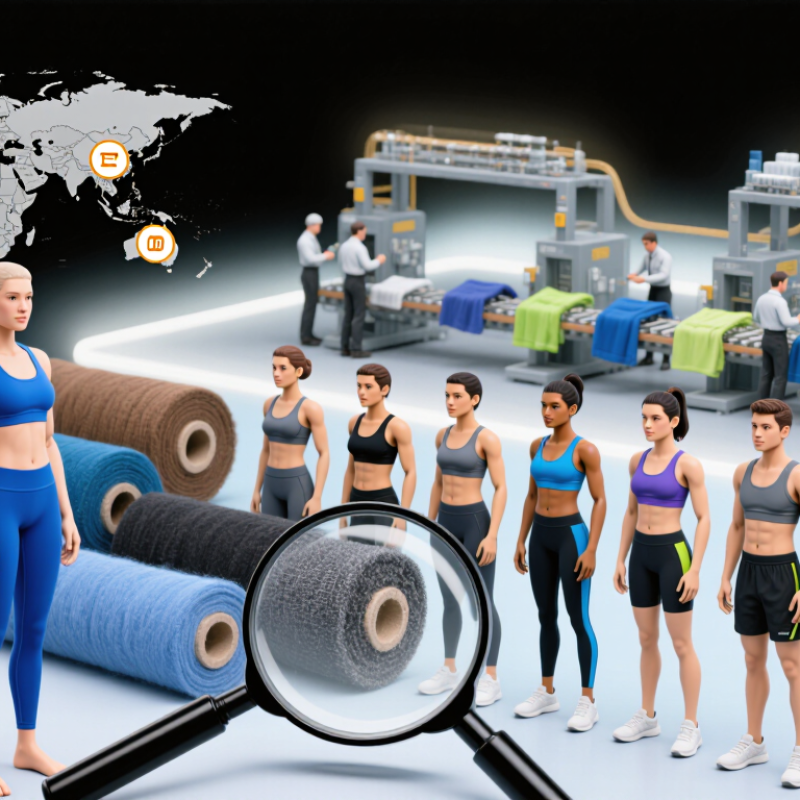
Custom gym wear ranges from compression leggings and sports bras to loose training tees, shorts, and warm-up layers. Each item needs different construction. A high-stretch legging may require flat seams and a gusset, while a lightweight tee needs breathable panels and stable shoulder stitching. Fit is personal. A sample that works during a fitting may still ride up during a squat, so movement testing matters.
Material choices affect comfort, durability, and cost. Polyester-elastane blends often suit quick-drying training pieces; nylon blends can feel smoother, though hand-feel varies by knit and finish. Recycled fibers are another option, but buyers should check test reports and fabric performance rather than relying on labels alone. Ask for swatches, weight in grams per square metre, stretch recovery, and colorfastness results. Details matter. A fabric can feel excellent in a small swatch yet behave differently across a full garment.
Production models shape how much control a buyer has. With OEM production, buyers usually provide specifications, artwork, and fit requirements. ODM options may offer existing patterns that can be adjusted, which can shorten development but limit some design choices. Before placing a bulk order, confirm sample rounds, minimum quantities, size grading, inspection steps, and delivery estimates in writing. Timelines can shift. Even a careful plan may need revision after the first wash test or fit review.
When evaluating custom gym wear manufacturers for global sourcing, judge the production system, not just the sample. Textile Exchange’s Materials Market Report 2024 estimates that global fiber production reached 124 million tonnes in 2023. That scale makes material traceability worth checking. Ask where fabrics are knitted and dyed, and request documentation for recycled or performance-fiber claims.
Test garments under realistic use. Wash samples repeatedly, inspect seams after stretching, and check whether leggings turn sheer when squatting. Ask for test reports covering colorfastness, pilling, and stretch recovery; confirm which laboratory conducted each test. Review minimum order quantities, sample charges, production capacity, and agreed lead times in writing. A factory tour or independent audit can help verify processes, but a certificate alone is not proof of consistent quality. Small gaps happen.
Tips: Send a measurement chart and approved fabric swatch with your tech pack. Request a pre-production sample, then compare bulk goods against it before shipment. Clarify who pays for failed inspections and delayed orders. Leave room for one uncomfortable question: can the supplier explain a past quality problem and what changed afterward? A hesitant answer is useful information, though not a verdict.
Choosing among the top 10 custom gym wear manufacturers for global buyers means looking beyond attractive product photos. A dependable partner should explain fabric composition, minimum order quantities, sample fees, and realistic production windows before a purchase order. Ask how the team manages size grading across regions, since a medium fit can differ between markets. Request a physical sample. It reveals more than a polished catalog.
For activewear, inspect stretch recovery after repeated pulls, opacity during a deep squat, and seam comfort against skin. Check whether the manufacturer can maintain consistent color across fabric lots and match approved samples during bulk production. These details affect returns and customer trust. Small details matter. Ask for documented quality checks, clear packing specifications, and shipment updates. Some manufacturers may offer extensive customization but have limited experience with complex size ranges; verify with a trial order rather than assumptions.
Tips: Share a tech pack with measurements, fabric weight, colors, logo placement, and stitching references. Confirm who pays for sample revisions and how defects are handled. Keep one approved sample as the comparison standard. Build buffer time for testing and freight. Even good plans slip.
Anonymized sourcing profiles and indicative industry benchmarks—not a verified ranking or company-specific supplier data. Minimum order quantities and lead times vary by fabric, design, order size, and season; confirm them directly with suppliers.
| Profile | Best suited for | Indicative MOQ | Sample lead time | Bulk lead time | Typical capabilities | Buyer checks |
|---|---|---|---|---|---|---|
| 1. Performance leggings specialist | Leggings, sports bras, and coordinated sets | About 100–300 pieces per style | 2–4 weeks | 6–10 weeks after approval | Stretch fabrics, flatlock seams, waistband and fit customization | Test opacity, stretch recovery, and fit across the size range |
| 2. Seamless knitwear specialist | Seamless tights, tops, and base layers | About 300–800 pieces per style or color | 3–5 weeks | 8–12 weeks after approval | Knitted-in patterns, compression zones, seamless construction | Confirm machine capacity, yarn composition, and grading options |
| 3. Cut-and-sew activewear factory | Custom silhouettes and multi-category collections | About 100–500 pieces per style | 2–4 weeks | 6–10 weeks after approval | Pattern development, private labels, varied fabric and trim options | Review tech-pack interpretation, size sets, and pre-production samples |
| 4. Small-batch development partner | Startups, test launches, and limited collections | About 50–150 pieces per style | 2–5 weeks | 5–9 weeks after approval | Low-volume cut-and-sew, sampling support, simple branding | Check unit-cost premiums, fabric availability, and reorder terms |
| 5. Sublimation-printing specialist | Teamwear and all-over-print gym apparel | About 100–300 pieces per design | 2–4 weeks | 5–9 weeks after artwork approval | Polyester printing, custom colorways, coordinated printed sets | Approve strike-offs and check color consistency between lots |
| 6. Recycled-fabric activewear supplier | Collections specifying recycled-content materials | About 200–500 pieces per style | 3–5 weeks | 7–12 weeks after approval | Recycled-fiber fabric options, custom trims, cut-and-sew production | Request transaction-level material documentation and scope details |
| 7. High-compression garment specialist | Compression tights, support tops, and training layers | About 200–500 pieces per style | 3–5 weeks | 7–11 weeks after approval | Supportive fabric selection, reinforced seams, technical construction | Evaluate fit, seam durability, and fabric performance after washing |
| 8. Sports-bra and support-top specialist | Low-, medium-, and high-support training tops | About 150–400 pieces per style | 3–5 weeks | 7–11 weeks after approval | Cup and lining options, elastic development, adjustable details | Request wear testing and fit feedback across target sizes |
| 9. Multi-category export manufacturer | Buyers consolidating several apparel categories | About 300–1,000 pieces per style | 3–5 weeks | 8–12 weeks after approval | Tops, bottoms, outer layers, labeling, export packing coordination | Verify capacity by category, shipment terms, and inspection process |
| 10. Stock-fabric private-label producer | Faster launches using existing fabric options | About 100–300 pieces per style | 1–3 weeks | 4–8 weeks after approval | Ready-stock fabrics, logo application, standard fit customization | Confirm fabric stock, color availability, and repeat-order consistency |
Before placing an order, confirm the factory address, production capacity, sample approval process, payment terms, quality-control checkpoints, shipping responsibilities, and any certification claims relevant to your product or market.
For global buyers comparing ten custom gym wear manufacturers, the useful differences are often in the order terms, not the sample photos. Grand View Research estimated the global sports apparel market at about US$213.5 billion in 2023. That scale suggests strong demand, but it does not prove any individual factory can meet your launch date. Ask for the production site, monthly capacity, and current lead times in writing.
Customization should be measurable. Confirm fabric composition, weight in GSM, available colors, logo methods, grading, and who pays for revised samples. Textile Exchange’s 2024 Materials Market Report put global fiber production at 124 million tonnes in 2023, with polyester making up about 57%. This makes fiber choice worth checking, not just the garment’s hand feel. Small details matter. Ask whether the quoted fabric is stock or custom-milled, since that can change minimum order quantities and delivery windows.
Tips Compare minimum order quantities, sample fees, deposit schedules, and defect remedies on one sheet. Ask how capacity changes during peak season, and request evidence from a recent production run. A polished sample is reassuring, but it cannot show repeat consistency. I would treat any promised lead time as provisional until fabric availability and approval dates are clear. That part is easy to overlook.
For custom gym wear, quality starts with a written specification, not a sample that merely looks right. Record fabric composition, weight, stretch recovery, seam construction, and color references before production. Ask for test results covering colorfastness, shrinkage, and seam strength. Check a washed sample under ordinary lighting; a slight shade change can be easy to miss on a screen. A neat audit file is not proof of a perfect production run.
Compliance needs the same practical attention. Request current factory audit records, material declarations, and traceable batch details, then confirm labeling and documentation requirements for each destination market. Requirements vary, so verify them with qualified local advisers. Shipping deserves a buffer, too. UNCTAD’s Review of Maritime Transport 2024 notes that more than 80% of world trade by volume moves by sea, leaving apparel orders exposed to port delays and schedule changes. The World Bank’s Logistics Performance Index 2023 compares countries on customs, tracking, and timeliness; use it as context, not a delivery guarantee.
Tips: Approve a pre-production sample, define inspection checkpoints, and put carton dimensions and delivery terms in writing. Keep a small time buffer. It may feel overly cautious, but one late shipment can disrupt a launch.
Common options include compression leggings, sports bras, training tees, shorts, and warm-up layers. Each needs different construction. Leggings may need flat seams and a gusset.
Try it during squats, stretches, and short runs. Check whether leggings ride up or seams rub. A fitting-room check is not enough.
Ask for fabric swatches, weight in grams per square metre, stretch recovery, and colorfastness results. Polyester-elastane blends often dry quickly. Nylon blends may feel smoother, depending on the knit and finish.
No. Review test reports and performance details, not just labels. Check how the fabric feels and behaves in a full garment. A small swatch can mislead.
With OEM, buyers usually provide specifications, artwork, and fit requirements. ODM may start with existing patterns that can be adjusted. It may save development time, but offer fewer design choices.
Record minimum quantities, sample fees, deposit schedules, size grading, inspection steps, and defect remedies. Clarify who pays for revised samples. Small details matter.
Ask for the production site, monthly capacity, and current lead times. Request evidence from a recent production run. Peak-season capacity may change. I would treat dates as provisional until fabric availability is clear.
Custom-milled fabric, sample revisions, fit reviews, and wash-test results can shift timelines. Confirm approval dates and fabric availability before placing a bulk order. Plans change.
Choosing the right Custom Gym Wear Manufacturer involves more than comparing prices. Buyers should first understand the products they need, from leggings and sports bras to training tops, and consider materials based on stretch, breathability, durability, and intended use. It is also important to assess a manufacturer’s experience, sampling process, customization options, production capacity, communication, and ability to support different order volumes.
A careful comparison of production timelines, minimum order quantities, payment terms, and quality-control procedures can help set clear expectations before an order is placed. Global buyers should also review applicable quality standards, request transparent information about material sourcing and compliance, and confirm packaging and shipping arrangements. By evaluating these factors together, businesses can identify a manufacturing partner suited to their product goals and sourcing needs while reducing avoidable delays and quality concerns.