Welcome to Spogen Pvt Ltd — OEM Sports Goods Manufacturing Since Sialkot's Earliest Export Era

0%

Choosing a dependable supplier can shape the success of an athletic apparel brand. This guide examines the Top 10 Performance Athletic Apparel Wholesale Suppliers for retailers, gyms, teams, and emerging labels. It focuses on practical buying factors, not impressive promises alone. Fabric recovery, moisture management, stitching quality, sizing consistency, and colorfastness all matter after repeated training sessions. They matter more.

The comparison also considers minimum order quantities, sample policies, production timelines, private labeling, and communication standards. Reliable suppliers should explain material composition clearly and provide realistic delivery estimates. Certifications, factory information, and responsible labor practices deserve careful attention before any purchase. These details can reduce costly surprises.

However, no supplier suits every business. A company offering excellent compression wear may not handle small orders well. Another may provide flexible customization but require longer production times. Supplier rankings can change as prices, capacity, and service quality change. This guide is a starting point, not a final verdict. Buyers should request current samples, confirm specifications in writing, and test garments under real training conditions. A shirt that feels smooth in a showroom may trap heat during a hard workout.

The selected Performance Athletic Apparel Wholesale suppliers are assessed through a balanced, buyer-focused lens. Their strengths, limitations, and likely customer fit are considered together. Some information may still require direct verification, especially for new factories or international orders. Careful questions remain essential. Reliable sourcing is rarely effortless, but informed comparison makes the process more manageable.
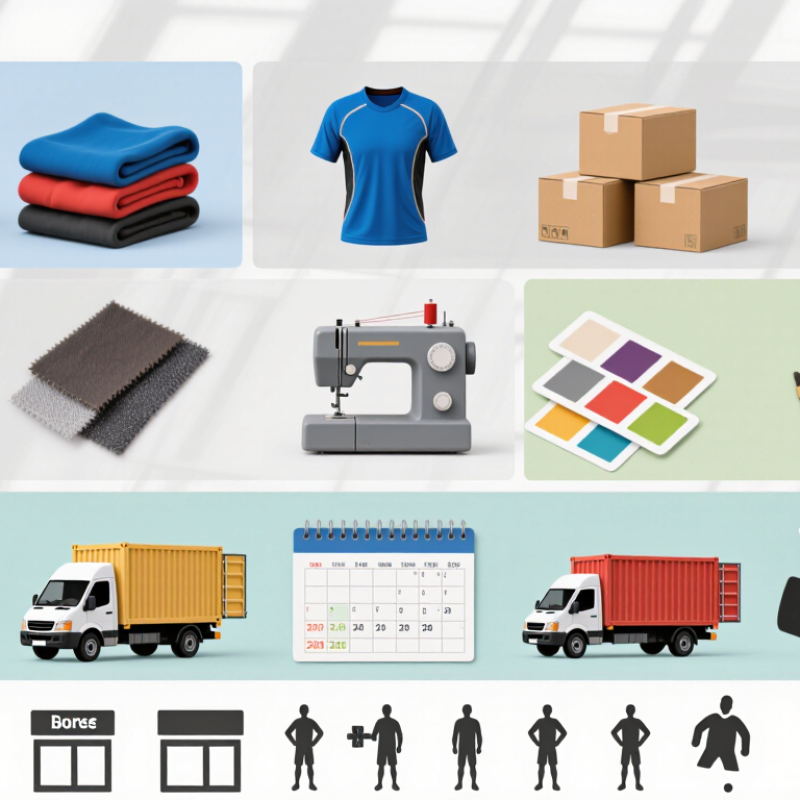
Top 10 Performance Athletic Apparel Wholesale Suppliers

What Performance Athletic Apparel Wholesalers Provide

Performance athletic apparel wholesalers provide more than cartons of leggings and training tops. They connect buyers with fabric options, size runs, color choices, and repeatable production. Useful details include fabric weight, stretch recovery, seam construction, moisture-management claims, and care instructions. Ask for samples and wash-test them before placing a large order. A soft handfeel can still hide weak seams. That matters.

The Grand View Research report on sports apparel estimated the global market at about $203.3 billion in 2023 and projected 6.7% annual growth from 2024 to 2030. For wholesale buyers, that scale makes dependable replenishment important, but forecasts are not guarantees. A supplier should explain minimum order quantities, lead times, available stock, and how substitutions are handled when a color or size sells out. Clear answers reduce surprises.

Wholesalers may also provide private-label customization, packaging, product specifications, and shipment coordination. Request documentation supporting claims such as recycled content or quick-drying performance, and check whether it applies to the exact item offered. A product sheet is helpful, but real samples tell a fuller story. I’d still leave room for uncertainty: fabric behavior can change between colors or production batches. Plan a small trial order, record fit feedback, and confirm tolerances in writing before scaling.

Key Standards for Evaluating Athletic Apparel Suppliers

Evaluating athletic apparel suppliers starts with measurable product standards, not polished samples. Request fabric composition, weight, stretch recovery, colorfastness, and shrinkage results for each proposed material. Ask whether tests follow recognized methods, such as ASTM or ISO procedures, and request dated laboratory reports. A fabric that feels supportive on a showroom table may sag after repeated washing. Test finished garments, too: seams, waistbands, and printed areas can fail differently from the fabric itself.

Traceability and production consistency matter as much as performance claims. Textile Exchange’s Materials Market Report 2024 estimates global fiber production reached 124 million tonnes in 2023, with polyester accounting for about 57 percent. That scale makes fiber origin and recycled-content documentation worth checking, rather than accepting a supplier’s broad sustainability statement. Review batch records, audit scope, and evidence linking material certificates to the actual order. Ask for a small pilot run, then compare measurements and color across several units. It takes time. Supplier scorecards should also track lead-time accuracy, defect rates, minimum order quantities, and corrective-action response. No scorecard is perfect; smaller suppliers may have less formal paperwork, and that deserves a closer conversation, not an automatic rejection.

Top 10 Performance Athletic Apparel Wholesale Suppliers

Choosing among the top 10 performance athletic apparel wholesale suppliers requires more than comparing unit prices. Buyers should verify fabric recovery, seam strength, colorfastness, and moisture management through current test reports. The McKinsey and WFSGI Sporting Goods 2024 report projects about 5% annual industry growth through 2029. This growth increases pressure on reliable replenishment and consistent sizing. A low quote can become expensive when cartons arrive late or measurements drift.

Strong wholesale suppliers provide fabric certifications, production samples, and clear minimum order quantities. They should explain shrinkage results after washing and share inspection procedures before shipment. Textile Exchange’s 2024 Materials Market Report reported that recycled polyester represented roughly 12% of global polyester production in 2023. That figure makes traceable material claims important. However, recycled content alone does not prove better durability. Some suppliers pass laboratory tests yet disappoint during repeated training use. No ranking stays perfect.

Tips: Request three sample sizes. Wash each sample twice. Record weight, stretch, odor, and drying time. Compare production samples with approved samples. Ask for independent test results, not only factory statements. Keep a small buffer for delays. It may seem inefficient, but one failed delivery can disrupt an entire seasonal launch. Supplier evaluation should also include response speed, replacement policies, packaging quality, and the ability to repeat the same fabric specification.

Supplier Comparison by Products, Pricing, and Services

When comparing ten performance athletic apparel wholesale suppliers, product depth matters more than a polished catalog. Strong suppliers offer moisture-wicking tops, compression layers, training shorts, leggings, warm-up jackets, and team uniforms. Ask for fabric weight, stretch recovery, seam construction, and size grading. A sample should survive repeated washing without twisting or fading. Real testing beats promises.

Pricing needs a wider lens. Request a written quote for 100, 500, and 1,000 units. Compare unit cost, sampling fees, artwork charges, packaging, shipping terms, and reorder minimums. Some suppliers look inexpensive until custom labels or color changes appear. Tiered pricing can help, but only when quality remains stable. I have seen low bids create expensive returns. That lesson still matters.

Service separates a dependable supplier from a merely available one. Evaluate response time, production calendars, inspection procedures, and correction policies. Ask whether one contact can manage samples, revisions, and delivery updates. Clear measurement charts reduce avoidable sizing disputes. Reliable partners provide inspection photos and trackable shipment records. Still, service claims need proof. Test communication with a small order before committing to seasonal volume. My comparison would also score flexibility, because a supplier may meet price targets yet struggle with late design changes. That weakness deserves attention.

Performance Athletic Apparel Wholesale Suppliers: Product Benchmark

Moisture regain of common apparel fibers, shown as an objective product reference for comparing supplier fabric offerings.

Moisture regain is the approximate percentage of moisture absorbed by a fiber relative to its dry weight under standard conditions. Values are typical reference figures and can vary by fiber type, yarn, and finish. Supplier pricing and services are not represented.

How to Select the Right Wholesale Apparel Partner

Choosing a performance apparel wholesale partner takes more than comparing unit prices. Ask for fabric specifications, such as fiber content, weight, stretch recovery, and moisture-management test details. A sample can reveal loose stitching, uneven seams, or fabric that turns sheer during movement. Wash it several times. Then inspect the fit again. Size charts should include garment measurements, not just general labels. Clear grading matters when one order needs to serve different body types.

Check minimum order quantities, production lead times, and reorder options before approving a larger purchase. Request a written breakdown of costs, including sample fees, packaging, and shipping. Ask how the supplier handles defects and delayed shipments; vague answers are a warning sign. If possible, speak with other buyers who have placed repeat orders. One sample is useful, but it cannot prove consistent quality across a full production run. I have seen a polished sample create more confidence than it deserved.

Tips: Test garments during the activities your customers actually do. Compare fabric performance after washing, not only straight from the package. Keep your questions in writing, and save approved samples for future checks. A small trial order may cost more per piece, but it can expose sizing or durability problems before they reach your shelves.

FAQS

What product tests should buyers request from an athletic apparel supplier?

Request fabric composition, weight, stretch recovery, colorfastness, and shrinkage results. Ask for dated laboratory reports using recognized testing methods. Test finished garments, not fabric alone.

Why should buyers test samples after repeated washing?

Washing can reveal sagging, twisting, fading, odor, or waistband failure. Wash each sample twice. Record weight, shape, drying time, and color changes.

How can buyers check production consistency?

Request a small pilot run before placing a large order. Compare measurements, colors, seams, and fabric feel across several units. Small differences still matter.

What information should be included in a supplier quote?

Request prices for 100, 500, and 1,000 units. Include sampling fees, artwork costs, packaging, shipping terms, and reorder minimums. Cheap quotes can change quickly.

How important are minimum order quantities and lead times?

They are essential for planning cash flow and seasonal launches. Check order minimums, promised dates, and delay buffers. One late shipment can disrupt a launch.

How should buyers evaluate recycled material claims?

Ask for fiber-origin records and documents linking certificates to the actual order. Recycled content does not automatically prove better durability. The claim needs evidence.

What services show that a supplier may be dependable?

Look for clear measurement charts, inspection photos, shipment records, and correction policies. Test communication with a small order. Service promises need proof.

Can a lower-priced supplier still be a good choice?

Possibly, but compare defect rates, returns, replacement policies, and quality stability. A low bid may create expensive returns. I would not trust price alone.

What should a supplier scorecard measure?

Track quality results, lead-time accuracy, defect rates, minimum orders, response speed, and corrective actions. No scorecard is perfect. Smaller suppliers may need closer discussion.

Conclusion

This guide explores the role of Performance Athletic Apparel Wholesale suppliers in helping retailers, gyms, teams, and activewear businesses source reliable products at competitive prices. It explains what wholesalers typically provide, including training tops, leggings, shorts, jackets, uniforms, and customizable apparel, while highlighting important factors such as fabric quality, comfort, durability, sizing consistency, production capacity, order flexibility, and delivery reliability.

The article presents a practical selection of ten wholesale supplier types and compares them by product range, pricing structure, customization options, minimum order quantities, sample policies, customer support, and fulfillment services. It also offers guidance on choosing the right apparel partner based on business goals, target customers, budget, branding needs, and expected order volume. By evaluating suppliers carefully and requesting clear product information before ordering, buyers can build dependable sourcing relationships and provide high-quality athletic apparel that meets both performance expectations and customer preferences.


Amelia

Amelia

Amelia is a dedicated marketing professional with a deep understanding of the company’s products, services, and customer-focused solutions. With a strong background in market research, content strategy, and professional communications, she transforms complex product information into clear,......