Welcome to Spogen Pvt Ltd — OEM Sports Goods Manufacturing Since Sialkot's Earliest Export Era
Goalkeeper gloves look simple on a product page. In practice, a small change in palm latex, finger cut, or wrist closure can alter grip, comfort, and durability. For brands planning Private Label Goalkeeper Gloves in 2026, sourcing means turning a clear player need into repeatable factory specifications—not merely choosing a color and logo.
The market context is broad, but useful. Grand View Research valued the global sports equipment market at USD 384.2 billion in 2023 and projected 6.3% annual growth from 2024 to 2030. That figure covers many products, not goalkeeper gloves alone. FIFA’s 2023 Professional Football Landscape counted 128,694 professional male players across 3,986 clubs. It offers a view of professional football, not total glove demand. These limits matter. Market size is not a purchase order.
A practical sourcing plan starts with the user and the test. Define the intended level of play, then compare palm thickness, latex performance, finger construction, backhand materials, and cuff fit. Request pre-production samples and test them on wet and dry surfaces. Record grip, abrasion, seam strength, sizing consistency, and wash-related changes. Ask suppliers to document material specifications, sample revisions, production capacity, quality checks, minimum order quantities, and lead times. Keep approved samples as references for bulk production. Small details drift. They do. A supplier’s confident promise is not proof; written specifications and repeatable checks are stronger evidence. This guide explains how to assess suppliers, control quality, and build a private-label glove range without mistaking broad industry growth for guaranteed demand.
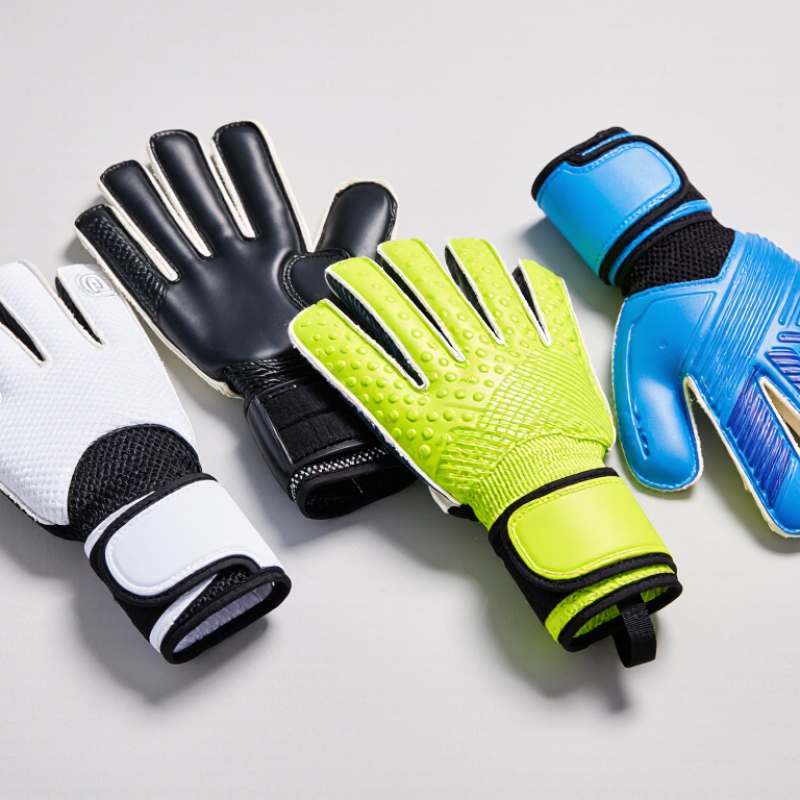
Before requesting quotes, write a glove specification your supplier can measure. Record adult and youth size ranges, preferred cut, palm latex thickness, backhand material, wrist-strap width, and stitching details. State where the gloves will be used: dry training, wet matches, or mixed conditions. A 3 mm palm and a 4 mm palm can feel noticeably different, so request samples before fixing the specification. Ask for abrasion, grip, seam-strength, and wash-care information, plus the test method used. FIFA’s 2023 Professional Football Report counted 128,694 professional players across 3,986 clubs. That scale reflects varied playing contexts, not one universal glove requirement. I would not treat a broad market figure as proof of product performance.
Tips: Send a measurement sheet with your sample request. Photograph fit on both hands, then record finger length, palm width, and closure comfort. Check more than one size. Small fit errors matter.
Set packaging and labeling needs early, including size marks, care instructions, and carton quantities. Ask the factory to confirm material composition and production tolerances in writing. Keep an approved “golden sample” for comparison during production. I once underestimated how much wrist-strap stiffness affects comfort; that detail deserved its own check. Test samples with the intended users, and revise the specification when feedback reveals a real mismatch.
Compare manufacturers on glove construction, not just unit price. Request samples with the same cut, latex thickness, backhand material, and wrist closure. Check palm grip when dry and damp, seam alignment, finger gussets, and how securely the strap holds after repeated pulls. Ask for written details on latex grade, size tolerance, minimum order quantity, sample fees, and production lead time. Small differences matter.
Use a scorecard for sample quality, communication, customization, capacity, and delivery reliability. The World Bank’s 2023 Logistics Performance Index assessed 139 economies across six logistics dimensions, including tracking and timeliness. It is not glove-specific, but it can help assess shipping conditions around a factory. Verify a supplier’s stated capacity with production photos, dated sample records, and a small pilot order. A polished sample can still hide inconsistent bulk production. That is easy to overlook.
Tips: Send every shortlisted factory the same specification sheet and ask for a pre-production sample. Photograph stitching, latex texture, and packaging, then record defects after wear tests. Confirm who pays for revisions and how rejected units are handled. Keep one question open: will the factory maintain the same materials next season?
| Comparison dimension | Options or specifications to compare | What to verify with the manufacturer | Useful evidence to request |
|---|---|---|---|
| Glove cut | Flat/palm cut, roll finger, negative cut, or hybrid construction. | Ask which cuts the factory currently produces and whether patterns can be adjusted for your fit and target market. | Pattern drawings, construction photos, and physical samples in the requested cut. |
| Palm material | Natural latex, synthetic latex, or a specified blend; available grip and durability grades vary by formulation. | Confirm the material composition, palm thickness, intended playing conditions, and care instructions. Grip can change with use, moisture, and surface conditions. | Written material specification, sample swatches, and sample gloves for hands-on evaluation. |
| Palm thickness | Request the available thicknesses in millimetres; 3 mm and 4 mm are commonly offered product options, not universal standards. | Check how thickness is measured and whether the stated figure includes backing or foam layers. | Technical sheet and a production sample matching the quoted construction. |
| Backhand and body materials | Compare latex, textile, mesh, and other offered panels, plus padding and ventilation features. | Confirm the exact materials, panel placement, decoration method, and whether the same construction will be used in bulk production. | Material swatches, labeled sample photos, and an approved sample specification. |
| Finger protection | No finger spines, selected-finger support, or removable spine inserts where available. | Ask which fingers are supported, whether inserts are removable, and how the glove is labeled for this feature. | A sample demonstrating the insert design and written construction details. |
| Wrist closure and fit | Compare strap width, single- or double-wrap designs, and wrist-entry construction. | Check adjustability, stitching, fit consistency, and whether the closure can carry custom artwork or a label. | Samples in more than one size and close-up construction photos. |
| Size range and grading | Request the available size run and the factory’s measurement chart; sizing conventions can differ between suppliers. | Compare palm and finger measurements against your intended fit, and confirm tolerances across sizes. | Size chart with measurement points and a fit sample for key sizes. |
| Private-label customization | Logo application, colors, label, packaging, and artwork placement are typically handled as project-specific options. | Confirm setup charges, artwork requirements, color matching, approval steps, and ownership or permitted use of supplied artwork. | Digital mock-up, decoration sample, and written approval record before production. |
| Minimum order and pricing | Minimum order quantities and unit prices depend on the design, size mix, materials, customization, and order terms. | Request separate quotes for sample and bulk orders, size breakdowns, packaging, tooling or setup, and shipping terms. | A dated quotation stating currency, quantity assumptions, inclusions, exclusions, and payment terms. |
| Sampling and production schedule | Sample and bulk-production timing is quote-specific and may depend on materials, approvals, and factory capacity. | Ask for estimated dates for sample completion, approval, production, inspection, and dispatch, including how delays are communicated. | A written production timeline with approval milestones and order contact details. |
| Quality checks | Agree checks for dimensions, stitching, bonding, logo placement, color consistency, and packaging condition. | Clarify inspection timing, defect definitions, sampling method, and the process for handling rejected or nonconforming goods. | Written inspection checklist, sample approval reference, and any available test or inspection records. |
| Packaging and shipping | Compare individual packaging, carton quantities, shipping method, and delivery terms for the destination market. | Confirm carton dimensions and weights, shipping responsibility, export documents, and any destination-specific labeling requirements. | Packing specification, shipping quote, and a list of documents the supplier will provide. |
Specifications, minimum order quantities, prices, and lead times vary by factory and order. Treat quoted figures as supplier-specific and confirm them in writing before placing an order.
How to Source Private Label Goalkeeper Gloves in 2026
A convincing sample is only the beginning. Request pairs in multiple sizes, then inspect stitching, seams, wrist closures, and latex consistency under bright light. Press the palm gently: it should feel even, without thin patches or loose edges. Ask the supplier to document materials and construction, including palm thickness and backhand fabric. Details matter.
Tips: Test samples on a dry surface and a lightly damp ball. Record grip, comfort, and wear after each session. Keep one pair unused as a comparison. Small flaws can be easy to miss when a sample looks impressive.
Fit and performance need real movement, not just a quick try-on. Check whether fingers reach the glove ends without squeezing, and whether the wrist strap stays secure during dives. Repeat tests with several keepers if possible; hand shapes differ. Track grip before and after repeated catches, then inspect abrasion around the thumb and palm. Ask for revised samples if fit or finish varies between pairs. One test session is not enough, though timelines can make that tempting. Compare results against written specifications, and keep notes tied to each sample version. A polished prototype can still perform poorly in regular training.
How to Source Private Label Goalkeeper Gloves in 2026
A clear specification makes quality easier to verify. Ask for samples in the intended size range, then check stitching, finger protection, wrist closure, and palm thickness. Test the grip with a dry ball and a lightly damp one. Record the conditions; a quick squeeze in a showroom is not enough. Small details matter. Check whether the sample matches the written specification, including colors, labels, and measurements. If it does not, request corrections before approving production.
Compare quotes line by line. Include sample charges, printing, packaging, freight, and any inspection fees. Ask what the quoted minimum order covers: one design, one color, or a mix of sizes. A low unit price can hide a high total commitment. Smaller runs may cost more per pair, but reduce the risk of holding unsold sizes. Get the defect policy in writing. It is easy to overlook this when a sample feels excellent.
Request a schedule with separate dates for sample approval, production, final inspection, and shipment. Confirm whether the lead time starts after deposit or final approval. Add room for revisions and shipping delays. In practice, the calendar can slip when a palm material or size needs rework. A spreadsheet cannot predict every delay, and I would avoid promising a fixed launch date until the production sample passes inspection.
Illustrative sourcing lead-time ranges by stage (weeks)
These are planning estimates, not guaranteed supplier averages. Actual timing depends on customization, order size, factory capacity, and shipping route. Ask suppliers to confirm sample and production schedules, minimum order quantities, and itemized costs in writing. Before approval, check latex grip and durability, stitching, wrist closure, sizing consistency, and pre-shipment inspection requirements.
Before placing a 2026 order, approve a physical sample, not just a digital mockup. Check logo size, position, color, and edge clarity on both gloves. Small details matter. A mark can shift when the palm material stretches, so inspect it while wearing the glove and gripping a ball. Confirm the approved artwork file, print method, and color reference in writing. Keep one signed sample as the production standard.
Set production controls before the factory starts the full run. Record the glove size range, palm latex thickness, backhand materials, wrist closure, and stitching requirements. Ask for a pre-production sample made with the intended materials. Then agree on inspection points, such as seam consistency, adhesive coverage, and logo placement. Define acceptable variation with measurements or clear photos; vague phrases like “good quality” are hard to enforce. No checklist catches every issue.
For bulk production, request dated photos from key stages and a sample from the finished batch. Check several sizes, since a design that fits well in one size may feel different in another. Keep approval records, defect notes, and any agreed corrections together. It may feel slower to pause for another sample, but rushing approval can leave little room to fix repeated flaws. Be realistic: small color differences can still appear between materials and production runs.
Compare construction, not just unit price. Send each factory the same specifications for latex thickness, backhand fabric, wrist closure, and cut. Ask for written details on minimum order, sample fees, and lead time.
Check seam alignment, finger gussets, latex texture, and loose edges under bright light. Press the palm gently for thin spots. Small flaws hide well.
Test on dry and lightly damp surfaces. Record grip after repeated catches, then inspect wear around the thumb and palm. One session can fool you.
Try several sizes during dives and catches. Fingers should reach the ends without feeling squeezed, and the wrist strap should stay secure. Hand shapes vary.
Get material details, size tolerances, and a pre-production sample using intended materials. Keep the approved sample and specifications together. Paperwork helps, but it cannot catch everything.
Request dated sample records, production photos, and a small pilot order. A polished sample may not match bulk production. That difference is easy to miss.
Set inspection points for stitching, adhesive coverage, logo position, and material consistency. Define acceptable variation with measurements or clear photos. “Good quality” is too vague.
Check size, position, color, and edge clarity on a physical sample. Wear the glove and grip a ball, since material stretch can shift the marking. Digital previews are not enough.
Save sample versions, defect notes, approved artwork, and agreed corrections. Request photos from key production stages and inspect several sizes. It may slow things down, but rushing can cost more time later.
Sourcing Private Label Goalkeeper Gloves in 2026 starts with a clear product brief. Define the intended users, playing conditions, glove sizes, cut, palm grip, backhand construction, and design preferences before approaching manufacturers. Compare suppliers on their experience, communication, production capabilities, and willingness to customize. Request samples from suitable candidates and evaluate materials, fit, comfort, grip, flexibility, and durability under realistic training conditions.
Before placing an order, confirm quality checks, applicable standards, pricing, minimum order quantities, and production and shipping timelines. Ask how defects are handled and what inspection steps are followed throughout manufacturing. Once a supplier is selected, approve the artwork, colors, labels, packaging, and a final production sample in writing. Clear specifications and documented checkpoints help keep the finished gloves consistent with expectations and support a more predictable order process.