Welcome to Spogen Pvt Ltd — OEM Sports Goods Manufacturing Since Sialkot's Earliest Export Era

0%

Who is the best OEM Sports Equipment Manufacturer in China? There is no reliable answer based on price or a polished website alone. A capable partner must turn drawings, material choices, and performance requirements into repeatable products. A tennis racket frame, for example, needs more than a clean finish. Its weight, balance, and stiffness must remain consistent across production runs.

Quality-management expert W. Edwards Deming is widely associated with the principle, “Quality comes not from inspection, but from improvement of the production process.” Applied to sports equipment, that means looking beyond final checks. Ask how a factory controls materials, documents specifications, tests samples, and handles production changes. Request evidence, such as inspection records or sample test results, rather than relying only on promises. Details matter.

This guide compares manufacturers through practical criteria: product expertise, prototyping, quality systems, communication, order flexibility, and delivery reliability. It also considers whether a supplier can explain trade-offs clearly, such as cost versus durability or customization versus lead time. A factory may be excellent for one product and unsuitable for another. That sounds tidy. Real sourcing is messier. Even a strong sample cannot guarantee every production batch will match it. The aim is not to crown a universal winner, but to help buyers identify an OEM Sports Equipment Manufacturer that fits their product, budget, and quality expectations—and to ask better questions before committing.
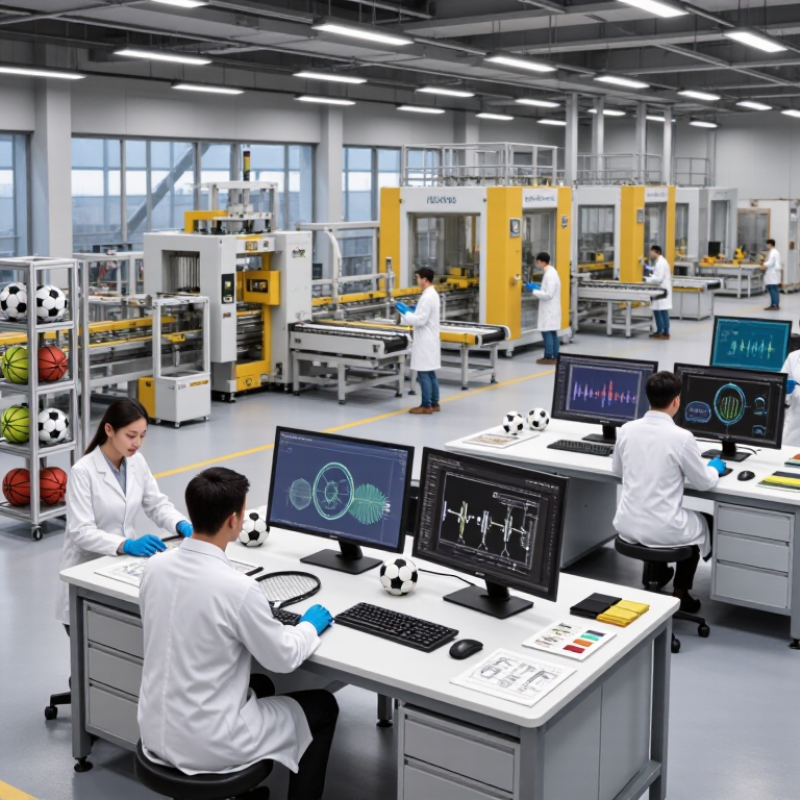
Who Is the Best OEM Sports Equipment Manufacturer in China?

What OEM Sports Equipment Manufacturing Involves

OEM sports equipment manufacturing means producing goods to a buyer’s design, specifications, and order plan. Work starts with drawings, dimensions, target cost, and intended use—not just a logo. A basketball, for example, needs consistent panel shape, bladder fit, surface grip, and bounce. For a strength bench, weld geometry, tube thickness, upholstery, and load testing matter more. Small details count. The factory then coordinates material sourcing, tooling, prototypes, sample approval, production planning, and packaging.

Market demand gives useful context.

Grand View Research’s Sports Equipment Market Size, Share & Trends Analysis Report valued the global market at USD 348.2 billion in 2023. It projected a 6.2% compound annual growth rate from 2024 to 2030.

That forecast signals opportunity, not guaranteed orders. Quality checks may cover incoming materials, first articles, in-process dimensions, product function, and finished cartons. A failed stitch or uneven coating can turn an approved sample into costly rework. The weak point is often the handoff. Buyers should document tolerances, test methods, approved samples, and design changes before bulk production. Yet briefs can still be vague. Packaging drop tests and humid-storage conditions are easy to overlook, and that can disrupt delivery schedules.

Key Criteria for Evaluating Chinese OEM Manufacturers

Choosing a Chinese OEM sports equipment manufacturer takes more than comparing quotations. Check whether its core products match your design, materials, and production volume. Ask for material specifications, inspection records, and test reports tied to the exact model—not a similar item. Confirm that testing follows standards relevant to the product, such as applicable ISO or ASTM methods. A neat factory tour can still hide weak process control. Request a pilot run and inspect seams, coatings, dimensions, and packaging under real use conditions.

Logistics matter, but national data cannot verify one factory’s delivery record. The World Bank’s 2023 Logistics Performance Index ranked China 19th, with a score of 3.7 out of 5. Use this as context, then check the supplier’s own lead-time history, shipment records, and plans for material delays. Review tooling ownership, minimum order quantities, and how changes are approved. One limitation: an audit captures a moment, not every production shift.

Tips: Ask for a dated sample and a written quality-control plan. Compare the sample with the final production batch. Keep one approved reference unit; small differences can matter.

Product Categories and Manufacturing Capabilities

China’s OEM sports equipment manufacturers may handle products ranging from resistance bands and yoga mats to training cones, protective pads, and weightlifting accessories. Each category brings different material and production needs. A rubber band requires consistent stretch and thickness, while a foam mat needs reliable cushioning and a surface that stays easy to grip.

Manufacturing capabilities can include material sourcing, cutting, molding, stitching, assembly, and packaging. For example, a supplier making padded equipment should be able to discuss foam density, seam strength, and how covers hold up after repeated use. Metal components call for close attention to dimensions, surface finish, and weld consistency. Details matter. A factory’s equipment list is useful, but it does not prove that every process is performed well.

Buyers can assess fit by reviewing samples, production records, and inspection procedures for the specific product category. Ask how measurements are checked and how defects are recorded before shipment. Test a sample under realistic conditions: stretch a band repeatedly, inspect stitching after flexing a pad, or check whether a mat curls at the edges. A polished sample may not match bulk production. That gap deserves attention. Not every manufacturer can manage every category equally well, and a capable partner should explain its limits clearly.

How to Compare Quality, Compliance, and Customization

Choosing an OEM sports equipment manufacturer in China requires more than comparing unit prices. Start with the product’s actual use: a ball, resistance band, or protective pad faces different stresses. Ask for material specifications, production tolerances, and test reports tied to the same model and batch. Request a sample, then check seams, grip, odor, and dimensions after repeated use. Small flaws matter.

Verify compliance for the destination market and product category; do not assume a general certificate covers every requirement. Check report dates, testing scope, factory identity, and whether documents match the quoted materials. For customization, compare artwork control, color consistency, packaging options, and minimum order quantities. A custom handle texture may require a new mold, adding cost or time. Put approved samples and key specifications in writing. A polished catalog can still hide production variation, so ask how defects are recorded and addressed.

Tips: Send each supplier the same specification sheet. Compare samples side by side, and confirm who pays for tooling, revisions, and replacement units before placing an order.

Who Is the Best OEM Sports Equipment Manufacturer in China? — How to Compare Quality, Compliance, and Customization

A practical, evidence-based comparison framework. The suggested weights are adjustable and are not a ranking of specific manufacturers.

Evaluation Dimension Suggested Weight What to Compare Evidence to Request or Check
Product quality and consistency 20% Whether samples and production units meet the same agreed specifications, dimensions, performance requirements, and finish. Approved sample, written product specifications, inspection criteria, production inspection records, and test results relevant to the product.
Regulatory compliance 20% Ability to identify and meet requirements that apply to the specific product, materials, intended users, and destination market. Applicable regulations and standards, current product-specific reports, certificates where required, and report details matching the supplied model and materials. Verify documents with the issuing body when appropriate.
Customization capability 15% Options for materials, dimensions, colors, construction, packaging, and private-label requirements, including the ability to manage design changes. Written customization scope, technical drawings or artwork proofs, sample approval process, change-control steps, and confirmation of tooling or setup costs.
Materials and component control 10% Whether material grades and key components are defined, approved, and kept consistent between orders. Bill of materials, material specifications, supplier or batch records where available, and a process for approving substitutions before use.
Quality management and traceability 10% How incoming materials, in-process work, finished goods, defects, and corrective actions are controlled and documented. Documented inspection procedures, sample inspection records, lot or batch identification, nonconformance records, and corrective-action examples. A management-system certificate alone does not establish product compliance.
Production capacity and lead-time planning 10% Whether the proposed production schedule, minimum order quantity, and capacity fit the order and seasonal demand. Written capacity and lead-time assumptions, production milestones, order quantity terms, and a plan for delays or peak-season constraints.
Communication and issue resolution 5% Clarity, responsiveness, technical understanding, and willingness to document decisions and address problems. A written quotation and specification confirmation, clear points of contact, documented change approvals, and agreed response and escalation processes.
Commercial terms and total cost 10% Comparable pricing that accounts for samples, tooling, packaging, inspection, shipping terms, payment conditions, and potential rework. Itemized quotation, payment schedule, Incoterms® rule and named place, sample and tooling charges, warranty terms, and written defect or remedy provisions.
Total 100% Adjust the weights to match product risk, destination-market requirements, order size, and customization needs.
Suggested scoring: Rate each dimension from 0 to 5: 0 = no evidence provided; 1 = major gaps; 2 = partial evidence; 3 = requirements appear met; 4 = strong, verifiable evidence; 5 = strong evidence supported by successful sample and production checks. Multiply each rating by its weight to compare shortlisted suppliers. Confirm applicable compliance requirements for the exact product and market before placing an order.

Steps to Verify and Select a Suitable Manufacturer

Choosing an OEM sports equipment manufacturer in China takes more than comparing quotations. Start with the exact product: a steel rack, resistance band, or ball each needs different materials and checks. Send a written specification with dimensions, load limits, surface finish, packaging, and acceptable tolerances. Details matter. A vague brief makes quotes difficult to compare and can hide costly assumptions.

Request a production sample, then compare it against your specification—not just its appearance. Check seams, welds, grip texture, moving parts, and packaging. Ask for test reports that match the exact product and materials being offered. Verify factory capacity, quality-control records, and how defects are handled. A video call can help, but it cannot replace an independent factory or pre-shipment inspection when the order is significant. Confirm lead times and who approves changes. It is easy to overvalue a polished sample; repeat production may differ. I would not treat one successful sample as proof of consistent quality.

Tips: Keep written records of revisions and approvals. Ask for a small trial order before scaling up. Confirm applicable product standards for your target market, and check that supporting documents are current.

Who Is the Best OEM Sports Equipment Manufacturer in China?

Steps to Verify and Select a Suitable Manufacturer

Use these suggested weights as a practical scoring framework, not as market survey data. Verify each item with current documents, factory evidence, product testing, and references before selecting a supplier.

FAQS

What products can an OEM sports equipment manufacturer make?

Products may include resistance bands, yoga mats, training cones, protective pads, and weightlifting accessories. Capabilities vary by factory.

Which production details should I check?

Ask about material sourcing, cutting, molding, stitching, assembly, and packaging. For padded gear, check foam density and seam strength. Details matter.

How can I test a product sample?

Stretch a band repeatedly, flex a pad, or check a mat’s grip and edges. Look for loose seams, curling, or uneven dimensions.

Does a good sample guarantee consistent bulk production?

No. A polished sample may differ from shipment units. Ask how inspections work and how defects are recorded.

What documents should I review?

Request material specifications, test reports, and production tolerances for the same model and batch. Confirm dates, testing scope, and factory details.

How should I compare suppliers fairly?

Send each supplier the same specification sheet. Compare samples side by side, including seams, odor, grip, and measurements.

What can affect customization costs and timing?

New colors, packaging, artwork, or handle textures may affect minimum orders, cost, or lead time. A custom texture may need a new mold.

What should I agree on before ordering?

Put approved samples and key specifications in writing. Confirm tooling fees, revision costs, and replacement terms. Some details still need careful judgment.

Conclusion

Choosing the right OEM Sports Equipment Manufacturer in China requires more than comparing prices. OEM manufacturing typically involves producing equipment to a buyer’s specifications, from materials and design details to packaging and delivery. A careful evaluation should consider the manufacturer’s product range, production capacity, technical expertise, communication, lead times, and ability to support both prototypes and larger orders. Product categories and capabilities vary, so buyers should confirm that a supplier has relevant experience with the specific equipment and customization requirements they need.

Quality, compliance, and customization should be assessed through clear specifications, documented quality-control procedures, material information, and applicable testing records. Before making a commitment, request samples, review production processes, verify business and facility details, and discuss timelines, costs, and order terms in writing. Comparing several qualified manufacturers against the same criteria can help identify a suitable partner and reduce the risk of misunderstandings throughout production.

Ethan

Ethan

Ethan is a professional marketing specialist with extensive experience in developing clear, engaging, and results-driven content for business audiences. As a dedicated member of the company’s marketing team, he has developed a deep understanding of the company’s products, services, and customer......